
Why Protective Styling Is a Game-Changer for Natural Hair
If you have natural hair in Accra, you already know the struggle. Between the heat, the humidity that rolls in off the Harmattan, and the daily dust and pollution, your strands are working overtime just to stay moisturised. Add in the tension of daily manipulation — detangling, styling, re-styling — and it is no wonder so many naturals find their hair stuck at the same length year after year.
That is where protective styling comes in. Done right, a good protective style can be the single most impactful thing you do for your natural hair journey in 2026. It gives your ends a break, reduces the amount of daily handling your hair endures, and creates the conditions for real, visible length retention. I have seen it transform the hair of my clients here in Accra time and time again.
In this guide, we are covering everything: the trending styles dominating 2026, how to prepare your hair before you install, how to keep your scalp healthy while you are wearing the style, and the mistakes that turn a good protective style into a damaging one. Whether your hair is 4C, 4B, or anywhere in between, there is something here for you.
What Actually Makes a Hairstyle “Protective”?
This is a question worth pausing on, because not every braided or twisted style automatically qualifies as protective. The term gets thrown around loosely, and that can lead to real damage when people assume any braided look will automatically grow their hair.
A truly protective style has three core characteristics:
- Tucked or hidden ends. The tips of your strands — the oldest, most fragile part of your hair — are tucked away and not exposed to friction, clothing, or the elements. This is the heart of what makes a style protective.
- Low manipulation. Once the style is installed, you should not need to touch, detangle, or re-style your hair for an extended period. Less handling means less breakage.
- Reduced friction. Loose natural hair rubs against clothing, pillowcases, and itself constantly. A protective style minimises that contact, which dramatically reduces mechanical breakage over time.
By this definition, styles like wash-and-go, though beautiful, are not truly protective — your ends are exposed and the style requires regular re-doing. Whereas a well-installed set of knotless braids with your ends neatly incorporated? That qualifies.
It is also worth noting that protective styling protects your hair only if your scalp and strands are properly cared for underneath. We will get to that shortly.
The Trending Protective Styles of 2026
Knotless Box Braids
Knotless braids have been building momentum for a few years now, and in 2026 they are firmly the reigning queen of protective styles — and for good reason. The technique involves feeding in extensions gradually from the root rather than anchoring a bulky knot right at the scalp. The result is a flatter, more natural-looking root and significantly less tension on your follicles.
For 4C hair especially, this distinction matters enormously. Traditional box braids with a tight knot at the base can cause traction alopecia along the hairline and temples with repeated installation. Knotless braids sidestep that risk while still giving you the length, versatility, and longevity of a classic braid.
In 2026, the trending variations include jumbo knotless braids for a bolder, quicker install, micro knotless braids for length and a more delicate finish, and colour-blocked knotless styles using burgundy, copper, and deep auburn extensions mixed through natural black hair.
Two-Strand Twists
Two-strand twists have always been a natural hair staple, but they are experiencing a serious resurgence in 2026 — largely because of their connection to the starter locs trend. More and more women are using two-strand twists as the entry point into their locs journey, and the aesthetic of fresh, well-moisturised twists has become a look in its own right.
Beyond the locs crossover, twists remain one of the most versatile protective styles available. You can wear them small for longevity, chunky for a statement look, pinned up into a bun for length retention, or left loose for volume. They work beautifully on 4C hair when installed on stretched, well-moisturised strands.
Crochet Installs
Crochet is having a genuine comeback in 2026, and the quality of crochet hair available now makes the styles look far more seamless than anything we had five years ago. The technique involves braiding the natural hair flat in cornrows and then looping extension hair through using a crochet needle — meaning the installation is faster, the scalp is more accessible for oiling and moisturising, and the tension is minimal.
Popular crochet styles right now include crochet locs, crochet Senegalese twists, and crochet butterfly locs. The scalp accessibility is a genuine advantage for those who struggle to keep their hair moisturised under a protective style.
Faux Locs and Butterfly Locs
Faux locs give you the look of mature locs without the commitment, and they remain one of the most in-demand styles at our salon in Accra. Butterfly locs — a variation with a slightly wrapped, fluttery texture — have become particularly popular for their softer, more bohemian finish.
Both styles do require careful installation to avoid excessive weight on the roots. Heavy faux locs installed too tightly are one of the more common culprits behind scalp soreness and breakage, so working with an experienced stylist who understands the tension balance is essential.
Cornrows and Fulani Braids
Cornrows are one of the most ancient and enduring protective styles on the continent, and Fulani braids — with their characteristic central cornrow, loose side braids, and decorative beads or cuffs — have become a global trend that traces its roots directly to the Fulani people of West Africa. Wearing them here in Ghana feels particularly meaningful.
In 2026, the Fulani braid aesthetic has evolved to include more intricate partings, mixed textures (some sections braided, some twisted), and elaborate bead work. As protective styles, cornrows are excellent because they lie flat and give maximum scalp access. The key is ensuring the tension is not too tight and that you are not leaving them in so long that they begin to loc at the root.
Bantu Knots
Bantu knots are a deeply rooted African style that offer genuine protective benefits when done correctly. The ends of the hair are wrapped up and secured into tight, coiled knots across the head, keeping both the length and tips neatly tucked away.
In 2026, the Bantu knot-out trend is driving interest in the style beyond just the wear — people are installing them specifically to achieve the defined, spiral curl pattern they produce when taken down. For natural hair, particularly 4C and 4B textures, this gives a beautiful result without any heat.
Flat Twists
Flat twists sit somewhere between cornrows and free-hanging twists — they lie against the scalp like a cornrow but are formed by twisting two sections rather than braiding three. They are quicker to install than cornrows, gentler on the scalp, and create a beautiful finished look whether worn as-is or taken down for a twist-out effect.
As a protective style, flat twists are excellent for shorter natural hair that may not yet have enough length for braids or hanging styles. They keep the ends tucked and reduce daily manipulation significantly.
Locs: The Ultimate Long-Term Protective Style
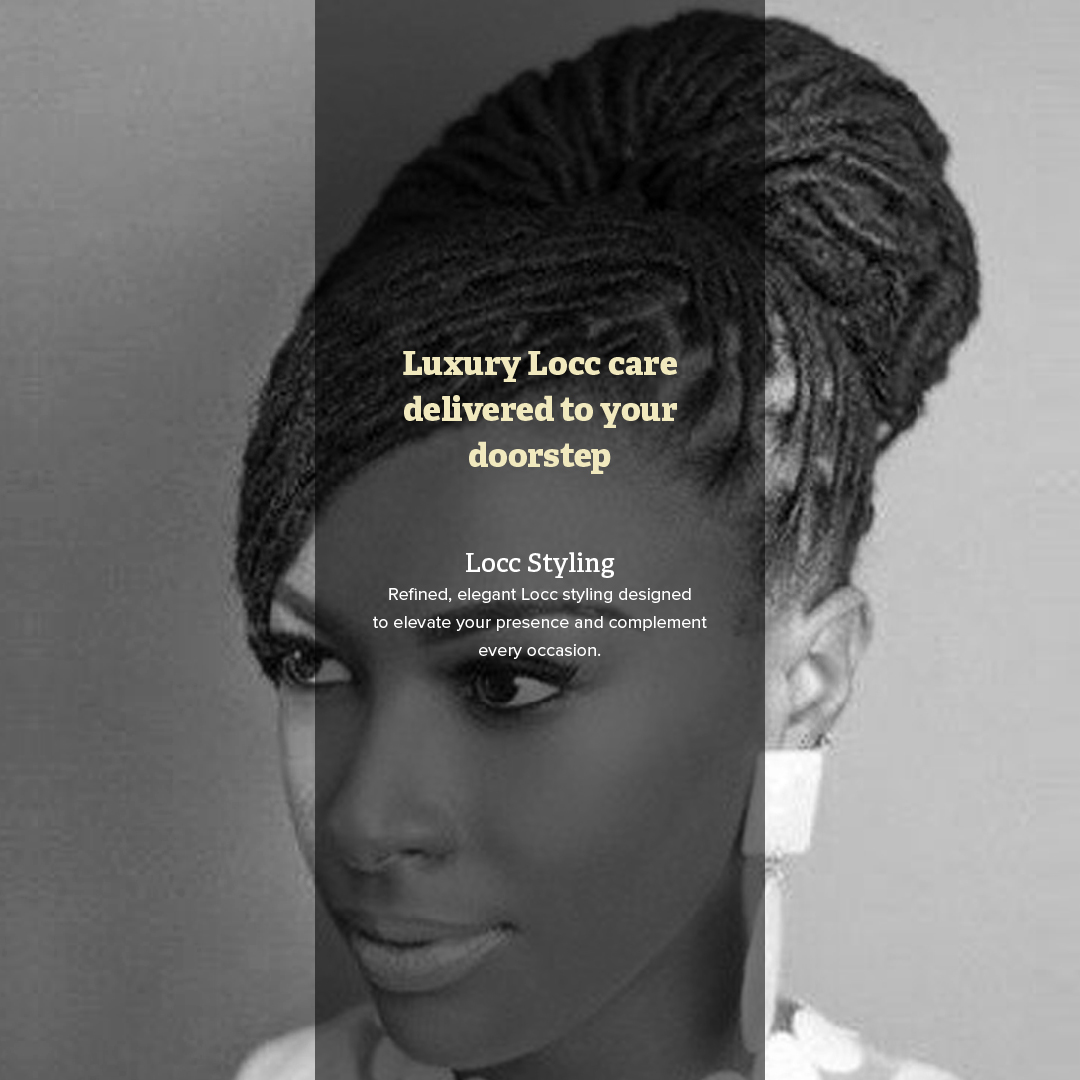
If you are serious about protective styling and hair health in the long term, locs deserve serious consideration. Locs are not simply a style — they are a commitment to allowing your natural hair to grow with minimal manipulation over years and decades. The result, for many women, is the longest and healthiest their hair has ever been.
The loc journey begins in earnest with starter locs, which can be initiated through two-strand twists, comb coils, or interlocking depending on your hair texture and preference. From there, the budding, teen, and mature stages unfold over months and years as the hair locks and grows.
At Shea Perfection, we offer professional loc services — from starter loc installations to regular maintenance appointments — using our nourishing, shea butter-based products to keep your scalp healthy and your locs moisturised throughout every stage. If you have been considering locs, we would love to guide you through the process.
Book a consultation with us today and let us find the right starting method for your hair type and lifestyle.
How to Prepare Your Hair Before Installing a Protective Style
The work you do before installation day is just as important as the style itself. Starting a protective style on hair that is dirty, dry, or damaged means you are locking those problems in for the duration of the wear. Here is the preparation routine we recommend to every client:
1. Clarify and Cleanse
Begin with a thorough wash to remove product build-up, sweat, and environmental debris. In Accra’s climate, scalp build-up accumulates quickly, and a clean scalp is fundamental to hair health. Use a sulphate-free or gentle clarifying shampoo depending on how much build-up you have.
2. Deep Condition
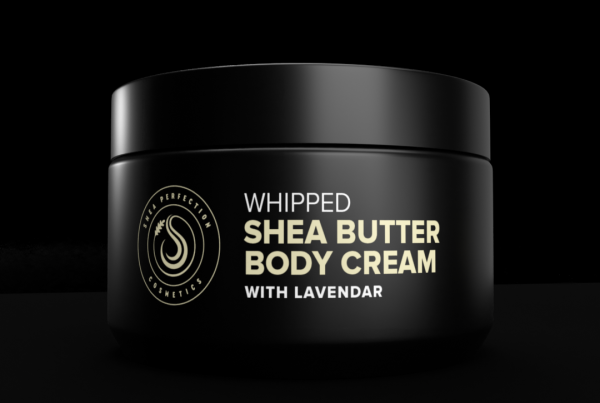
This step is non-negotiable. A proper deep conditioning treatment replenishes moisture and strengthens the hair before it goes into a style where it will receive minimal conditioning for several weeks. Our Shea Perfection Deep Conditioner is formulated with natural butters and oils that penetrate the hair shaft to restore moisture, elasticity, and softness — exactly what your strands need before going under braids or twists. Leave it on for at least 20–30 minutes under heat for maximum penetration.
3. Dry Properly
Avoid installing any protective style on soaking wet hair. Damp hair that is tightly braided or twisted can lead to mildew and an unhealthy scalp environment. After washing, gently blot your hair dry using a microfibre towel — unlike regular towels, microfibre absorbs water without the friction that causes frizz and breakage. Then allow your hair to air dry or stretch before installation.
4. Moisturise and Seal
Once your hair is clean and dry, apply a leave-in conditioner and seal with a lightweight oil before installation. This ensures your hair goes in moisturised, not parched.
How to Maintain Your Hair Under a Protective Style
This is where many people go wrong. Installing a protective style does not mean your hair care stops — it simply changes form. Your scalp still produces sebum, still needs moisture, and still needs attention.
Oil Your Scalp Regularly
At least two to three times per week, apply a lightweight oil directly to your scalp along your partings. Our Shea Perfection Hair and Scalp Oil is designed specifically for this — its blend of nourishing oils absorbs easily without leaving heavy residue on your braids or twists, while keeping your scalp nourished and itch-free. Use the nozzle or your fingertips to apply along each parting and massage gently to stimulate circulation.
Moisturise Your Hair
Even though your hair is tucked away, the strands still need moisture. Lightly mist your hair and scalp with water or a diluted leave-in conditioning spray every few days, then seal with a small amount of oil or butter. Focus especially on your hairline and any sections that feel dry or brittle to the touch.
Protect Your Hair While Sleeping
Cotton pillowcases are the enemy of protective styles. They create friction and absorb moisture from your hair overnight. Wrap your hair in a satin or silk scarf before bed every single night, or switch to a satin pillowcase. This one habit makes a significant difference to the lifespan of your style and the health of your hair.
Keep Your Edges Clean
Your hairline is the most visible and most vulnerable part of your hair. Use a gentle edge cleanser or a diluted shampoo to keep the area clean without disturbing the rest of the style. And if your edges feel sore or look thinner than usual, that is a sign to take action immediately — either loosen the style or remove it.
How Long Should You Keep a Protective Style In?
There is a sweet spot for every protective style, and staying in it is crucial for actually benefiting your hair health.
- Box braids and knotless braids: 4–8 weeks. Beyond eight weeks, new growth begins to loc at the base and removal becomes traumatic for the hair.
- Two-strand twists: 2–4 weeks. Twists unravel more quickly than braids and can begin to loc or mat if left in too long.
- Faux locs and butterfly locs: 4–6 weeks. The weight of the extensions means the longer you leave them, the more stress accumulates at the roots.
- Cornrows: 2–6 weeks depending on the size and tightness. Check your edges regularly.
- Crochet styles: 4–8 weeks. The cornrow base can be refreshed and new crochet hair added without a full removal.
- Bantu knots and flat twists: 1–2 weeks. These shorter-term styles are best refreshed regularly rather than worn for extended periods.
A good general rule: when your new growth begins to feel significantly tangled at the roots, or your scalp feels consistently irritated, it is time to take the style down — regardless of how long you planned to wear it.
Mistakes That Turn Protective Styles Into Damaging Styles
Protective styling, done poorly, can cause more damage than wearing your hair out every day. Here are the most common mistakes to avoid:
Installing Too Tightly
The number one cause of traction alopecia. If your scalp is sore, your forehead feels pulled, or you have bumps and pimples along your hairline after installation, the style is too tight. A good stylist should never need to create tension to make a style last — technique, not tension, is what makes braids neat and durable.
Neglecting Your Hair Underneath
Putting your hair away and forgetting about it for weeks is one of the quickest routes to dryness, breakage, and scalp issues. Maintain your moisture and scalp oiling routine consistently throughout the wear.
Leaving Styles In Too Long
The braids look fine on the outside but underneath, your new growth is matting, tangling, and forming knots. Removal after this point almost always results in significant breakage. Respect the recommended time frames.
Using Heavy Extension Hair on Fine Natural Hair
Heavy synthetic hair on fine, delicate natural strands puts enormous stress on the follicles over time. Choose lightweight extensions and ensure your stylist is not overloading each section.
Rough or Hasty Removal
Taking down a protective style incorrectly causes as much damage as a bad installation. Detangle in sections, use generous amounts of conditioner or oil, and work slowly from the ends upward. Never rip or rush.
Skipping the Deep Condition Before Installation
Going into a style without properly conditioning your hair first means your strands will become progressively drier and more brittle over the weeks the style is in. Always deep condition before every protective style installation.
Ready to Start Your Protective Style Journey?
Whether you are booking your first set of knotless braids, exploring a loc journey, or simply looking to retain more length this year, the combination of thoughtful styling and consistent hair care makes all the difference. We stock everything you need to care for your hair between salon visits — from our deep conditioner to our scalp oil — right in our online shop.
Shop our full range of natural hair care products or book your appointment with us in Accra. Your hair will thank you.
Frequently Asked Questions
Can protective styles actually help my hair grow?
Protective styles do not speed up hair growth itself — your hair grows at a genetically determined rate regardless of what style you are wearing. What protective styling does is help you retain the length your hair is already producing, by reducing breakage from manipulation, friction, and environmental exposure. Many naturals find their hair appears to grow faster when protective styling consistently, because they are losing far less length to breakage.
How do I know if a protective style is too tight?
Your scalp should never feel sore or tender after installation, and you should not feel a persistent pulling sensation at your edges or temples. If you have bumps, pimples, or soreness along your hairline, or if you notice your edges looking thinner or sparser than usual, the style is too tight. You can try gently loosening the braids at the root, but if the discomfort persists, the safest option is to have the style removed.
Can I wash my hair while wearing a protective style?
Yes — in fact, you should. Especially in Ghana’s heat and humidity, your scalp needs regular cleansing throughout the duration of the style. Focus your washing on the scalp rather than the length of the style. Use a diluted shampoo or a cleansing spray, apply it directly to your scalp, and rinse thoroughly. Follow up with a light conditioner on your natural hair sections and allow the style to dry fully before you go to sleep — never sleep on wet braids.
What protective styles work best for very short natural hair?
The length requirement depends on the style. For cornrows and flat twists, even very short hair — from about 5cm — can work. Bantu knots and two-strand twists also work well at shorter lengths. Braided styles like knotless box braids typically require at least 7–10cm of natural hair to work with, though this varies by stylist and technique. If your hair is in the early stages of growth, focus on scalp health and low-manipulation styling until you have more length to work with.
How often should I be getting professional protective style installations?
This depends on your hair goals and the styles you prefer. If you are rotating through protective styles as a core part of your hair care routine, many naturals install a new protective style every 6–8 weeks, taking a week or two of rest between each style to deep condition, assess their hair health, and allow their scalp to breathe. Giving your hair a proper rest period between styles is just as important as the protective period itself.