
Why Your 4C Hair Needs a Ghana-Specific Routine
If you have been following generic natural hair care advice from YouTube channels based in the United States or the United Kingdom and wondering why your hair still feels dry, brittle, or impossible to manage — you are not alone, and you are not doing anything wrong. The truth is that most of the natural hair content you find online was created for a different climate entirely. And climate, as any seasoned natural hair professional in Accra will tell you, changes everything.
Ghana’s weather is not mild. We go from the bone-dry harmattan winds of December through February, to the humid, sweaty months of March into July, to the unpredictable downpours of the rainy season. Each of these phases affects your hair differently. Layer on top of that the hard water running through many taps in Accra, the heat, the dust, and the fact that 4C hair is already one of the most moisture-thirsty hair types on the spectrum — and you begin to understand why a localised routine is not just helpful, it is essential.
This guide is your comprehensive, season-aware, Ghana-informed natural hair care routine for 4C hair. Whether you are newly natural, a few years into your journey, or simply looking to stop reinventing the wheel every dry season, settle in. We are going to cover everything from understanding your hair’s structure to building a daily and weekly routine that actually works in our climate.
Understanding 4C Hair: What Makes It Unique
4C hair is the tightest curl pattern on the Andre Walker hair typing scale. It can range from fine and densely coiled to thick and zig-zag shaped — and many of us have a combination of both across our heads. What unites all 4C hair is a few core characteristics that shape every decision you make in your routine.
Key Characteristics of 4C Hair
- Tightly coiled strands that shrink significantly — sometimes up to 75% of the actual length — when dry.
- Low natural sebum distribution — because of the tight coil pattern, the natural oils from your scalp struggle to travel down the length of the strand, leaving the ends perpetually dry.
- High surface area exposed to the environment, meaning dust, heat, and dry air all strip moisture faster.
- High potential for tangling and single-strand knots, especially when the hair is dry and unsupported.
Understanding Porosity
Porosity is arguably the most important concept in natural hair care, and it is one that is often skipped over. It refers to how easily your hair absorbs and retains moisture.
- Low porosity hair has tightly closed cuticles. Products tend to sit on the surface rather than penetrate. Heat (steam, warm water) helps open the cuticles to allow moisture in.
- High porosity hair has raised or damaged cuticles that absorb moisture easily but lose it just as fast. It needs heavier sealants to keep moisture locked in.
- Medium porosity hair is the sweet spot — it absorbs and retains moisture relatively well, though it still needs consistent hydration.
You can test your porosity by placing a clean strand of hair in a glass of water. If it floats, you likely have low porosity. If it sinks quickly, you likely have high porosity. Most 4C naturals in Ghana tend to have high porosity hair — which makes moisture retention in our dry seasons an even greater challenge.
Ghana’s Climate and What It Does to Your Hair
Understanding our climate is not an academic exercise — it is practical hair care knowledge. Here is what each season means for your strands.
Harmattan Season (December to February)
This is the most punishing time of year for natural hair. The harmattan brings dry, dusty winds from the Sahara, stripping moisture from everything — including your hair and scalp. Expect increased breakage, extreme dryness, more product absorption, and a constant battle to maintain softness. Your routine needs to be richer, more protective, and more consistent during these months.
Hot and Humid Season (March to July)
The humidity during these months is a double-edged situation. On one hand, there is more moisture in the air, which can benefit your hair. On the other hand, humidity combined with certain products causes frizz, swelling, and product build-up. Your routine should be lighter during this period, and sealing products should be chosen carefully to avoid overloading the hair.
Rainy Season Effects
Rain in Accra is not gentle. Sudden heavy showers can undo a carefully styled protective look in minutes. The dampness can also encourage scalp issues like dandruff or fungal buildup if you are not drying properly and keeping your scalp clean. During the rainy season, protective styles with well-sealed ends are your best friend.
Accra’s Water Quality
This point deserves special attention. The tap water in much of Accra is hard water — it contains higher concentrations of minerals like calcium and magnesium. Over time, washing your hair with hard water leads to mineral build-up on the hair shaft, which blocks moisture absorption and leaves hair feeling rough, dull, and resistant to conditioning. This is why a monthly clarifying wash or an apple cider vinegar rinse is not optional in Accra — it is maintenance.
The LOC and LCO Methods Adapted for Ghana’s Climate
The LOC and LCO methods are layering techniques designed to maximise moisture retention. Here is a quick breakdown:
- LOC — Liquid, Oil, Cream. You apply a water-based product first, seal with an oil, then add a cream or butter on top.
- LCO — Liquid, Cream, Oil. You apply the water-based product, then a cream, then seal with a light oil on top.
Which Method to Use in Ghana
For most 4C naturals in Ghana, the choice depends on both your porosity and the season:
- Harmattan season: Use the LOC method with heavier products. The oil layer between the liquid and the cream helps slow down moisture evaporation in the dry, dusty air. Shea butter-based creams and heavier oils like castor or avocado work brilliantly here.
- Humid season: Switch to the LCO method using a lighter oil (like argan or jojoba) applied on top of the cream. A lighter oil on top allows the hair to breathe without attracting excess humidity, which would cause swelling and frizz.
- Rainy season: Stick with LCO, using sealing products that sit flat against the hair shaft. This helps protect against the sudden dampness of unexpected showers.
The liquid step always starts with water or a water-based leave-in conditioner. Our Mistifyer (GHS 45) is formulated to serve as that first hydrating step — it delivers a fine, even mist of moisture to your sections before you layer your other products.
Weekly Wash Day Routine for 4C Hair in Ghana
Wash day does not have to be an all-day ordeal, but it does need to be intentional. Here is a step-by-step routine built specifically for our climate and hair type.
Step 1: Pre-Poo (Pre-Shampoo Treatment)
Before any water or shampoo touches your hair, apply a pre-poo treatment. This step protects your strands from the drying effects of shampoo. Apply our Hair and Scalp Oil (GHS 60) generously from roots to ends, divide your hair into four to six sections, and leave it on for a minimum of 30 minutes under a plastic cap. The oil creates a barrier so shampoo cleanses the scalp without leaving your strands stripped bare.
Step 2: Shampoo
Use a sulphate-free shampoo for regular weekly washing. If it has been more than four to six weeks since your last clarifying wash, or if you have significant product build-up from hard water, use a clarifying shampoo this week instead. Focus the shampoo on your scalp, not your ends, and allow it to rinse down the length as you wash out.
Step 3: Deep Condition
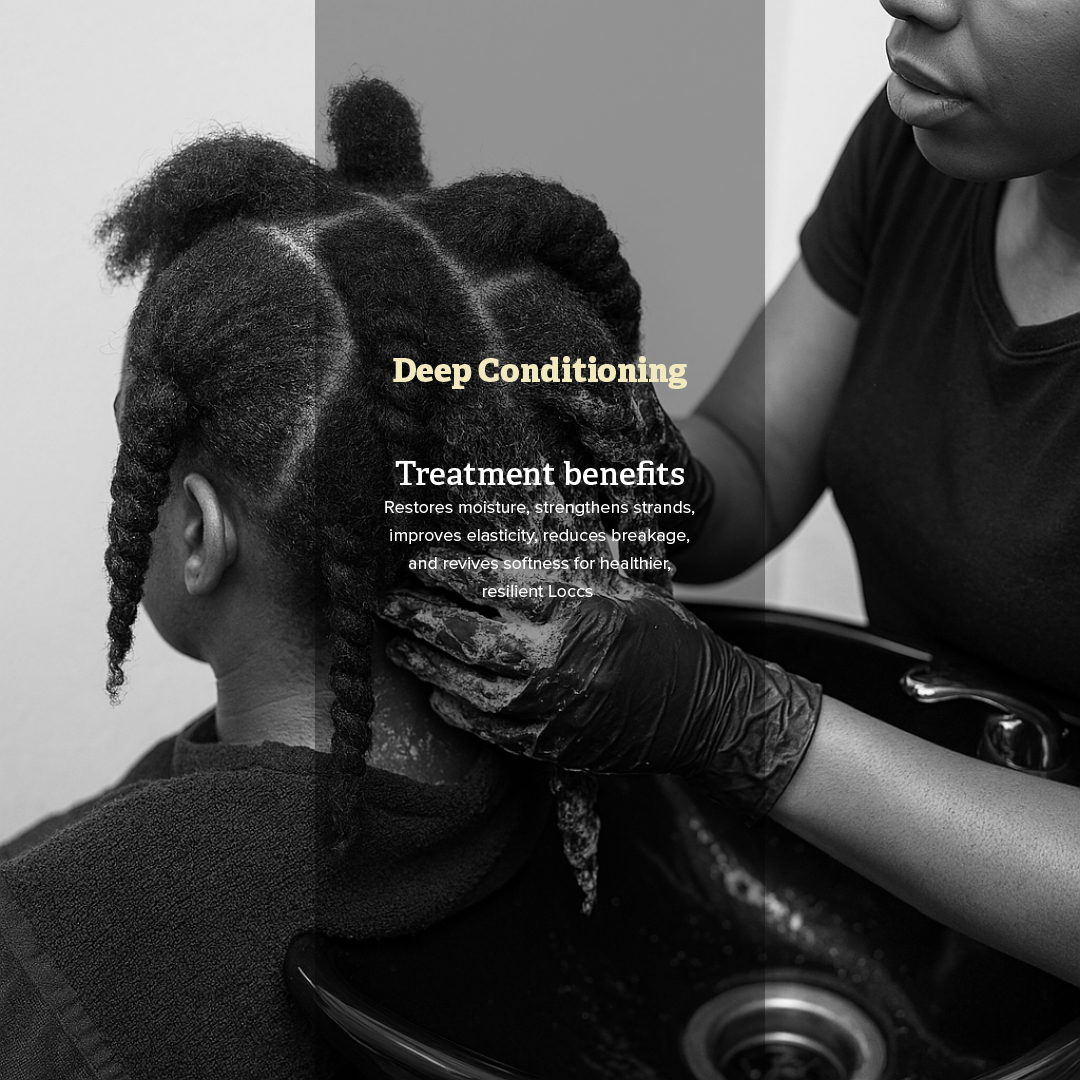
This step is non-negotiable. Deep conditioning is the backbone of 4C hair care in Ghana. Apply our Deep Conditioner (GHS 80) generously to every section of your hair, distributing it thoroughly with your fingers or a wide-toothed comb. Cover with a plastic cap and sit under a hooded dryer or steam cap for 20 to 30 minutes. If you do not have a dryer, use your body heat under a warm towel. The key is heat — it opens your cuticles to allow the conditioner to penetrate deeply. During harmattan, add a teaspoon of our Hair and Scalp Oil to your deep conditioner for extra moisture insurance.
Step 4: Rinse and Detangle
Rinse your deep conditioner out with cool or lukewarm water — never hot, as hot water opens the cuticle and causes moisture to escape immediately after washing. Detangle while there is still some slip from the conditioner, working from ends to roots with your fingers first, then a wide-toothed comb.
Step 5: Dry Gently
Do not reach for a regular cotton towel. Cotton creates friction against your hair cuticles, causing breakage and frizz. Instead, use a Microfiber Towel (GHS 50) to gently blot and squeeze the moisture from your hair. Microfiber is far gentler on the cuticle and absorbs water effectively without the rough friction of regular towels. This is one of those small changes that makes a visible difference in breakage levels.
Step 6: Apply Your LOC or LCO Products
While your hair is still damp (not dripping wet), work section by section. Mist each section with the Mistifyer, then follow your LOC or LCO method as described above. Apply your Hair and Scalp Oil at the appropriate step in your method. Style as desired — whether twist-outs, braid-outs, or straight into a protective style.
Daily Moisture Routine: The 5-Minute Refresh
You do not need to spend hours on your hair every day. A simple, consistent five-minute daily routine is what separates thriving 4C hair from hair that is always on the edge of breakage.
Every morning — or every other morning depending on your style — do the following:
- Mist lightly with your Mistifyer. Do not soak the hair — just a light mist to reintroduce moisture to each section or to your styled hair.
- Apply a small amount of Hair and Scalp Oil to your fingertips and work it through your ends and any areas that feel dry. A few drops is all you need — you do not want heavy build-up between wash days.
- Re-style or refresh your protective style if needed, then seal your ends if they are exposed.
This quick routine takes less than five minutes, keeps your hair moisturised between wash days, and prevents the kind of slow moisture loss that leads to breakage over time. Consistency here matters more than intensity.
Protective Styling Tips for Ghana’s Climate
Protective styles — braids, twists, cornrows, bantu knots, wigs — are genuinely protective only when done correctly. Here is how to make them work for you in our climate:
- Moisturise before installing. Never install a protective style on dry hair. Ensure your hair is freshly washed, deeply conditioned, and fully moisturised before any style goes in.
- Do not install too tightly. Traction alopecia — hair loss along the hairline caused by tight styles — is common in Ghana and entirely preventable. If your forehead hurts after installation, it is too tight.
- Maintain your scalp. Use your Hair and Scalp Oil diluted with a little water in a spray bottle to keep your scalp moisturised and healthy while in a protective style. Do not neglect your scalp just because your hair is tucked away.
- Limit style duration. During harmattan, do not leave braids or twists in for longer than six weeks. The dry air dries out the hair inside the braids faster than you might expect, and the longer you leave them, the more tangling and matting occurs at the roots.
- Cover at night. A satin bonnet or satin-lined pillowcase is non-negotiable. Cotton pillowcases absorb moisture from your hair while you sleep — over a week this adds up to significant dryness.
Seasonal Hair Care Calendar
Here is a practical guide to adjusting your routine across Ghana’s key seasons:
Harmattan Season (December to February)
- Switch to the LOC method with heavier creams and butters
- Deep condition weekly without fail — do not skip even one week
- Add our Hair and Scalp Oil to your deep conditioner for extra penetration
- Increase your pre-poo frequency to every wash day
- Use protective styles and cover hair daily
- Do a clarifying wash once a month to remove mineral and product build-up
- Drink more water — your scalp reflects your hydration level
Humid Season (March to July)
- Switch to the LCO method with lighter oils as the final sealant
- Reduce heavy butters and creams that attract humidity and cause build-up
- Keep clarifying washes monthly
- Focus on anti-frizz styling techniques — shingling, finger coiling, or flexi-rod sets
- Wash more frequently if you sweat heavily (every five to seven days)
Rainy Season (August to November)
- Lean on fully tucked protective styles to shield hair from sudden downpours
- Use a water-resistant product on exposed ends and edges
- Ensure hair dries fully after washing — damp hair left overnight can lead to scalp odour or mild fungal issues
- Continue the LCO method but seal ends thoroughly
Common Mistakes Ghanaian Naturals Make
After working with natural hair clients across Accra, these are the patterns I see most often — and what to do instead.
1. Skipping Deep Conditioning During Harmattan
Some naturals assume that because their hair “does not feel that bad” they can skip a deep conditioning session. This is how breakage accumulates silently over weeks until it becomes obvious. During harmattan, deep conditioning is your most important step — treat it as essential as washing.
2. Using Too Many Products
There is a tendency to pile on products hoping that something will work. More products mean more build-up, more weight on the hair, and — ironically — less moisture reaching the strand. A consistent routine with a few quality products outperforms a crowded bathroom shelf every time.
3. Washing with Very Hot Water
Hot showers are tempting, especially on a cool harmattan morning. But hot water opens the hair cuticle and allows moisture to escape as you step out. Always rinse your hair with cool to lukewarm water to close the cuticle and lock in the conditioning you just applied.
4. Neglecting the Scalp
Natural hair care conversations focus heavily on the strands and very little on the scalp — but a healthy scalp is the foundation of healthy hair growth. Keep your scalp clean, oiled, and free of product build-up. Our Hair and Scalp Oil was formulated with the scalp in mind, not just the strands.
5. Transitioning Without Adjusting the Routine
Many women who have recently gone natural make the mistake of continuing to treat their hair the way they did when it was relaxed. Natural 4C hair needs moisture-forward products, gentle handling, and patience. The learning curve is real, but it is entirely manageable with the right information.
6. Ignoring Accra’s Water Quality
Washing your hair with hard water week after week without clarifying is one of the quietest reasons for moisture resistance in Accra naturals. A monthly apple cider vinegar rinse (one part ACV to four parts water) or a proper clarifying shampoo will remove mineral deposits and restore your hair’s ability to absorb moisture properly.
Frequently Asked Questions
How often should I wash my 4C hair in Ghana?
Once a week is the general recommendation for most 4C naturals in Ghana. During the humid and rainy seasons, you may find you want to wash every five to seven days to manage sweat and scalp build-up. During harmattan, some naturals stretch to every ten days, but only if the hair is properly moisturised and in a protective style. Never go more than two weeks without washing if your scalp is prone to build-up or dryness.
My hair is always dry no matter what I do. What am I missing?
Persistent dryness in 4C hair usually comes down to one or more of three things: hard water build-up blocking moisture absorption, insufficient deep conditioning (or conditioning without heat), or the wrong layering method for your porosity. Start by clarifying your hair to remove any mineral deposits, then deep condition with heat using our Deep Conditioner, and test whether your porosity is high or low to determine whether LOC or LCO suits you better. Nine times out of ten, this combination solves the problem.
Can I use the same products all year round?
You can use the same core products year-round — particularly a consistent deep conditioner, a moisturising mist, and a scalp oil — but you may need to adjust the amount you use and the layering order. During harmattan, use more product and heavier creams. During the humid months, use less and switch to lighter sealants. Think of it as adjusting the volume, not changing the entire playlist.
How do I stop my edges from thinning?
Thinning edges are almost always caused by one of three things: tight hairstyles pulling on the hairline, lack of moisture, or aggressive manipulation of the perimeter of the hair. Stop wearing styles that pull on your edges — this is the most important step. Apply our Hair and Scalp Oil to your edges daily, massaging gently in a circular motion to stimulate blood flow. Be patient — edge regrowth is slow but it is possible with consistent, gentle care.
Building Your Shea Perfection Routine
You do not need to overhaul everything at once. Start with the basics and build from there. A strong foundation for any 4C natural in Ghana looks like this:
- A reliable deep conditioner for weekly moisture replenishment — our Deep Conditioner (GHS 80)
- A nourishing oil for pre-poo, daily moisturising, and scalp care — our Hair and Scalp Oil (GHS 60)
- A hydrating mist for daily refreshes and as your LOC/LCO first step — our Mistifyer (GHS 45)
- A microfiber towel to protect your strands on wash day — our Microfiber Towel (GHS 50)
These four products, used consistently and in the right order, will transform your hair over the coming months. Natural hair does not respond to occasional effort — it rewards consistent, informed care. Ghana’s climate is demanding, but your hair is resilient. Give it the routine it deserves.
Browse our full range at the Shea Perfection shop and reach out if you have questions. We are always here to help you on your natural hair journey.