

The Excitement (and Uncertainty) of Starting Your Loc Journey
There is a particular kind of energy that fills a consultation room when someone sits down and says, “I think I want to start locs.” It is part excitement, part nervousness, and often a great deal of “but I have so many questions.” Over the years, I have guided hundreds of clients through their first loc journey right here in Accra, and I can tell you honestly — the questions are always the same, and the nervousness is always worth pushing through.
Starter locs mark the beginning of one of the most transformative hair journeys you can undertake. They are a commitment, yes, but they are also a celebration of your natural texture, a low-manipulation approach to hair care, and for many people, a deeply personal statement. Whether you have been thinking about locs for six months or six years, this guide will walk you through everything you need to know before that first appointment — and long after it.
Let us start from the very beginning.
What Are Starter Locs? Understanding the Baby Stage
Starter locs — sometimes called baby locs — are the very first phase of your loc journey. This is when individual sections of hair are formed and encouraged to begin the locking process. At this stage, your locs are freshly created, often delicate, and nowhere near the thick, ropelike appearance most people associate with mature locs.
During the starter phase, your hair has been sectioned and formed into a specific pattern, but it has not yet begun to truly mat or interlock internally. The outer structure exists, but the internal bonding that creates a true loc is just beginning. This is why the starter stage can feel deceiving — from the outside, things look neat and intentional. Underneath, your hair is still in the very early stages of transformation.
Baby locs are typically quite short, often springy, and prone to unravelling at the ends — especially when wet. This is completely normal and is simply the nature of hair at this early stage. Understanding this from the outset will save you a considerable amount of anxiety later on.
The starter stage typically lasts between three and six months, depending on your hair type, the method used, and how consistently you maintain them. After this, your locs move into the budding stage, and the real magic begins.
Am I Ready for Locs? Commitment, Lifestyle, and Hair Type
This is the most important question you can ask yourself before starting — and the honest answer requires reflection.
Commitment: Locs are a long-term commitment. In the first few months especially, they require patience, consistent care, and the willingness to sit through what many loc wearers affectionately call “the ugly stage.” If you are the type of person who needs their hair to look polished every single day from the very first week, you may find the starter phase frustrating. If you are willing to embrace a process, locs will reward you abundantly.
Lifestyle: Locs are actually quite compatible with an active lifestyle once they are established — but in the early months, frequent washing is not recommended, and covering locs at night is essential. If you swim regularly, exercise heavily, or work in dusty environments, these are all manageable factors, but you should factor them into your maintenance plan from the start.
Hair type: The wonderful thing about locs is that they work on virtually every natural hair type. That said, the method you choose, the products you use, and the expected timeline will differ depending on your curl pattern and density. Coarser textures — particularly 4B and 4C hair — tend to loc relatively quickly because the tight curl pattern creates natural friction and interlocking. Looser textures may take longer and require more patience in the early stages.
Hair health: If your hair is currently damaged, over-processed, or suffering from significant breakage, it is worth addressing those issues before starting your loc journey. Locs cannot be built on a weak foundation. A few months of intentional hair care and scalp health work can make an enormous difference to the quality of your eventual locs.
Starting Methods Compared: Which One Is Right for You?
There is no single correct way to start locs, and the method that works best for your friend may not be the best choice for your hair. Here is an honest breakdown of the most common methods.
Two-Strand Twists
One of the most popular starting methods for natural hair, particularly for 4C textures. Two-strand twists create neat, defined sections that begin to mat over time. They look tidy from day one, which many clients find encouraging. The downside is that the ends can unravel — especially in the early weeks before budding begins. Two-strand twists work beautifully on medium to coarse textures and offer a soft, rope-like loc appearance at maturity. They are less ideal for very fine or looser hair types, as the sections may take a very long time to fully close.
Comb Coils
Comb coils (also called finger coils) are created by twisting sections of hair around a comb or finger in a circular motion. They create tight, defined coils that work exceptionally well on shorter 4C hair. The coils begin budding relatively quickly and produce a more rounded, cylindrical loc at maturity. They are less suitable for very long hair, as the coils can unravel before the hair has had time to settle, and they require a skilled hand to create consistently.
Interlocking
Interlocking involves threading the ends of each loc through its own root in a circular pattern, creating a mechanical lock that does not rely on the hair matting organically. This method is particularly well-suited to fine hair, coarser textures, and active clients who wash their hair frequently, because the locs do not unravel when wet. The results are neat and structured from the outset. The technique does require precision — a quality interlocking tool makes the process significantly easier and more consistent. One consideration is that over-interlocking, or interlocking with too much force, can cause thinning at the root over time, so technique matters enormously.
Braids / Plaits
Some locticians begin locs using small three-strand braids rather than twists or coils. This works well on hair that is prone to unravelling, as braids hold their shape more reliably. The trade-off is that braided locs can leave a flat, ribbon-like appearance at the base — some clients love this look, others prefer a more rounded shape. Braids are a solid option for 3C–4B hair types that struggle with other methods.
Freeform
Freeform locs involve allowing the hair to mat and loc naturally, with no specific sectioning or styling method. The hair is simply washed, separated as needed to prevent fusing, and left to develop organically. The resulting locs are irregular in size, shape, and direction — which is part of the appeal for many people. Freeform locs require the least maintenance of any method, but they do demand comfort with unpredictability. For anyone who wants precise, uniform locs, freeform is not the right approach.
For 4C hair specifically, two-strand twists and comb coils are generally the most recommended starting methods because of how quickly coarser textures respond and begin to mat. Interlocking is an excellent secondary option, particularly for active clients or those who prefer a more structured approach from the beginning.
Best Hair Length to Start Locs
This is one of the questions I am asked most often, and the answer tends to surprise people.
The minimum length to start locs is approximately 5cm (2 inches) of natural hair — enough to create a section that can hold a coil or twist. That said, starting at this length means your locs will be quite short and the styling options in the early months will be limited. Very short starter locs are also harder to maintain and easier to disturb accidentally.
The ideal starting length is between 10–15cm (4–6 inches). At this length, your loctician has enough hair to create well-defined sections, the locs sit with some visual presence, and there is enough room for the budding process to develop properly. You will also find this length much more manageable day to day.
If you are working with a big chop length, it is entirely possible to start locs — just set your expectations accordingly. The journey will be longer, and the early stages will require extra patience. If you have the time and inclination to grow your hair for a few more months before starting, it is usually worth doing so.
What to Expect in the First Six Months
Let me be very direct with you here, because I think many people are not adequately prepared for what the first six months actually look and feel like.
Months 1–2: Your locs look neat and intentional right after installation. But within days, especially once you have washed them, the tips may begin to frizz or unravel slightly. This is not failure. This is simply hair that has not yet begun to mat from the inside. Resist the urge to constantly re-twist or re-style.
Months 2–4 — The Ugly Stage: Almost every loc wearer experiences this, and it is worth knowing it is coming. Your locs may look puffed out, uneven, or generally unkempt. The roots begin to show new growth that has not yet been incorporated, the sections may look fuzzy, and the overall appearance can be discouraging. This is the most common point at which people give up — and it is a shame, because this stage is actually proof that the locking process is underway.
Months 4–6 — Budding: This is when things start to feel worth it. You will begin to notice small, hard bumps forming along the length of your locs. This is the hair matting internally, creating the structure of a true loc. The frizz does not disappear overnight, but the locs begin to have a definite shape and presence. Most clients report a genuine shift in how they feel about their locs during this period.
The key lesson of the first six months is this: patience is not passive. It requires actively choosing not to over-manipulate your hair, trusting the process, and investing in the right care routine.
Loc Stages Timeline: From Baby to Rooted
Understanding the full timeline of locs helps you see the starter stage in its proper context — as the first chapter of a much longer story.
Stage 1: Starter / Baby Locs (0–6 months)
Freshly formed sections that have not yet begun to mat internally. Locs are delicate, prone to frizz, and may unravel at the tips. This stage requires gentle handling and a consistent, minimal product routine.
Stage 2: Budding / Teenage Locs (6–18 months)
The hair begins to mat and form buds along the length of each loc. The locs start to take on their own character — some may be thicker or thinner than intended, some may change direction slightly. This is the most unpredictable and, for many people, the most exciting stage. Your locs are developing their personality.
Stage 3: Mature Locs (18 months–3 years)
The locs have fully closed and are firm and consistent throughout their length. The tips are sealed, the roots interlock cleanly with each retwist, and the locs hold their shape reliably. This is the stage most people visualise when they think of locs. Styling options expand significantly at this point.
Stage 4: Rooted Locs (3+ years)
Long-established locs that have developed significant length, weight, and definition. Rooted locs are incredibly resilient and require relatively minimal maintenance compared to the earlier stages. Many long-term loc wearers describe this as when their locs truly feel like “theirs.”
Essential Products for Starter Locs
The product choices you make in the starter phase have a lasting impact on the health and appearance of your locs. The golden rule is simple: less is more. Heavy products, butters, and oils applied in excess will cause build-up inside your locs that is very difficult to remove once the hair has matted.
Here is what we recommend at Shea Perfection for the starter stage:
- Hair and Scalp Oil — A lightweight oil applied directly to the scalp between washes helps combat dryness without clogging the loc structure. Scalp health is the foundation of everything. Apply sparingly along the parting lines and massage gently.
- Locc Comb — Designed specifically for loc care, this is used during the retwisting process to part sections cleanly and guide hair into position without causing unnecessary breakage or disruption to neighbouring locs.
- Mistifyer — Keeping your scalp and locs moisturised without over-wetting them is one of the trickier aspects of the starter phase. A fine mist spray allows you to add just enough moisture to the roots and scalp without disturbing the loc structure or causing the sections to unravel.
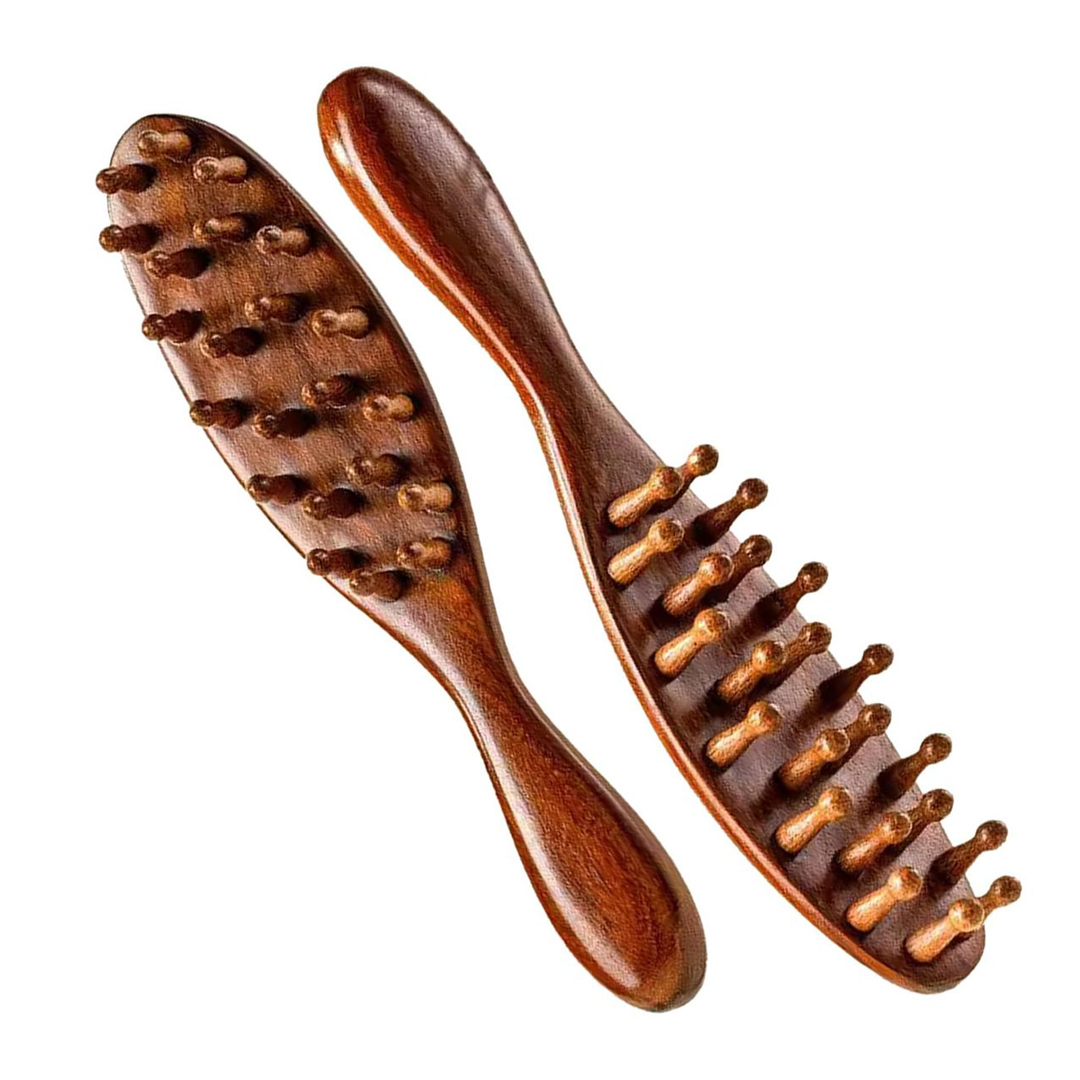
- Locc Care Hair Brush — Gentle brushing of the surface of starter locs helps manage frizz, smooth the outer layer, and keep new root growth lying flat between retwist appointments. Use with light pressure — this is not a detangling brush, it is a finishing tool.
- Interlocking Tools — If you are using the interlocking method, or want to supplement twist maintenance with interlocking at the roots, a quality interlocking tool is essential. It allows for precise, consistent root work that reduces breakage and maintains even tension.
What to avoid: wax, heavy butters used directly in the locs, hairsprays with alcohol, and any product that leaves a visible residue. These products feel satisfying in the moment but cause long-term build-up that dulls your locs and makes them difficult to clean properly.
Starter Loc Maintenance Schedule
Consistency in maintenance is everything in the starter phase. Here is the schedule I recommend to most of my clients:
First Retwist
Wait four to six weeks after your initial installation before your first retwist. I know this feels like a long time when your roots are showing new growth and things look messy, but retwisting too early disrupts the matting process and can cause thinning at the roots over time. Four to six weeks is the minimum; some hair types benefit from waiting eight weeks.
Retwist Frequency
Once you have established your retwist routine, every four to eight weeks is the general guidance for the starter and budding stages. How often depends on your hair’s growth rate, texture, and how quickly your roots begin to look unkempt. Avoid retwisting more frequently than every four weeks, as this places excessive stress on the root area.
Washing Schedule
In the first month, avoid washing your hair if possible — especially if you have started with twists or coils that are susceptible to unravelling. After the first month, washing every two to four weeks is appropriate, depending on your scalp’s oil production and lifestyle. Always dilute your shampoo, apply it directly to the scalp rather than the length, and rinse thoroughly. Dry your locs completely after washing — locs that remain damp for extended periods are prone to mildew, which is far harder to address than build-up.
Daily Routine
- Cover your locs with a satin bonnet or sleep on a satin pillowcase at night — cotton pillowcases create friction that disrupts the loc structure and dries out the hair.
- Apply a light mist of moisture to the scalp on dry days — particularly important in Accra’s heat.
- Resist the urge to re-palm or re-twist individual locs daily. Handle your hair as little as possible between appointments.
Common Mistakes New Loc Wearers Make
I have seen these mistakes countless times, and they are all avoidable with the right information.
Over-Manipulation
Touching, re-rolling, or adjusting your locs too frequently is the single most common mistake in the starter phase. Every time you manipulate a starter loc, you are resetting the matting process that has already begun at that spot. Hands-off is the mantra — handle your locs with purpose, not out of anxiety.
Using the Wrong Products
Heavy waxes and butters remain the most damaging product choice for starter locs. They may make your locs look shiny and defined immediately after application, but they coat the hair shaft and prevent it from matting properly. They also attract dust and debris. Stick to lightweight, water-based products and oils during the starter and budding stages.
Retwisting Too Tightly
Tension at the root during a retwist should be firm but never painful. If you are wincing, the tension is too high. Repeated over-tight retwisting causes traction alopecia — permanent hair loss along the hairline and parts. This is not reversible. Always communicate with your loctician about comfort levels during maintenance appointments.
Retwisting Too Frequently
Monthly retwists are fine; weekly retwists are not. The root area needs time to recover between manipulation. Over-twisting prevents the hair at the root from locking properly and can cause the loc to thin and eventually break at that point.
Impatience with the Ugly Stage
More people abandon their loc journey during months two through four than at any other point. The ugly stage is real, it is temporary, and it is a sign that things are working as they should. Having this expectation set in advance is the single most useful thing you can do to get through it.
Not Protecting Locs at Night
Going to sleep without covering your locs seems like a minor oversight, but it causes daily friction, frizz, and moisture loss that accumulates significantly over weeks and months. A satin bonnet or scarf takes thirty seconds to put on and makes a noticeable difference to the appearance and health of your locs.
When to See a Professional vs DIY
There is nothing wrong with maintaining your own locs at home — many people do it successfully. But there are specific circumstances where professional care is strongly advisable.
See a professional for:
- Your initial installation — the sections created at the start will define the shape and spacing of your locs for their entire life. Getting this right matters.
- Your first three to four retwists — while you are learning the correct technique and tension, professional guidance ensures you are not inadvertently causing damage.
- Any signs of thinning, breakage, or traction alopecia along the parts or hairline.
- Locs that have begun to fuse or mat together at the root — a professional can separate these without causing unnecessary damage.
- Deep cleansing treatments — clarifying your locs without disrupting their structure requires experience.
Manageable at home after proper learning:
- Daily scalp oiling and moisturising.
- Night-time covering and protective care.
- Palm-rolling between professional appointments to keep locs looking tidy.
- Routine washing once you have an established technique.
If you are based in Accra and want to start your journey with a professional assessment of your hair type and the most appropriate method for your texture and lifestyle, we would love to hear from you. Book a consultation with Shea Perfection and we will walk you through every step before a single loc is formed.
Frequently Asked Questions About Starter Locs
What is the minimum hair length needed to start locs?
The absolute minimum is approximately 5cm (2 inches), though 10–15cm (4–6 inches) is strongly preferred. At the minimum length, your loctician has just enough to work with, but your styling options will be very limited and the early stages will require extra patience. If you are a few months away from that ideal range, it is often worth waiting.
Can I start locs on relaxed hair?
This is technically possible but generally not recommended. Relaxed hair has had its natural structure chemically altered, which means it lacks the texture and friction needed to mat and loc efficiently. Relaxed locs tend to be weak, prone to breakage, and slow to develop. The standard recommendation is to transition off the relaxer first — either by doing a big chop or growing out the relaxer until you have sufficient natural growth to work with. A loctician can advise you on when your hair has grown enough natural new growth to start successfully.
Will my locs get thicker over time?
Yes and no. The internal structure of each loc will become firmer and more compact as the hair mats together, which can make individual locs feel thicker and more substantial. However, the overall diameter of each loc is largely determined by the sectioning at installation — the size of each section sets the size of the eventual loc. Locs do not typically grow significantly wider unless sections merge or fuse at the root. What changes dramatically is the weight, length, and solidity of each loc as it matures.
How long will it take before my locs are fully locked?
This varies considerably based on hair type, method, and maintenance. For 4C hair using two-strand twists or comb coils, you may see the beginning of true budding by month three to four. Full locking — where the entire length of the loc is firm and closed — typically occurs between twelve and eighteen months. Looser hair textures and certain starting methods may take longer. There is no shortcut to this timeline, and it is worth accepting that from the outset.
Can I undo starter locs if I change my mind?
In the very early weeks — before significant matting has occurred — it may be possible to carefully unravel two-strand twists or coils without major hair loss. However, once budding begins, undoing locs causes significant breakage and is not a practical option without losing a substantial amount of hair. Freeform locs and interlocked locs are even more difficult to undo once established. If you are genuinely uncertain about the commitment, start with twists that you wear loosely for a few weeks before committing to an installation intended to become permanent locs.
Which starting method is best for 4C hair?
Two-strand twists and comb coils are the most consistently recommended methods for 4C hair. The tight coil pattern of 4C hair creates natural friction that encourages rapid matting, and both methods take advantage of this. Two-strand twists give a slightly larger, more rope-like loc at maturity; comb coils produce a tighter, more cylindrical result. Interlocking is also a strong option for 4C hair, particularly for clients who are very active, wash their hair frequently, or want a highly structured result from day one. Your loctician should assess your specific density, moisture levels, and strand thickness before making a final recommendation — these factors matter as much as the broad curl pattern.
Starting your loc journey is one of the most significant hair decisions you will ever make — and one of the most rewarding. The early months will test your patience, but every single client I have worked with who has pushed through the starter stage has looked back on that period as the foundation of something genuinely beautiful. Trust the process, invest in the right care routine, and do not hesitate to seek professional guidance when you need it.
Shea Perfection is here for every stage of your journey. From your first consultation to your first retwist and far beyond, we are committed to supporting the health and growth of your locs with expert care and products formulated for natural African hair textures. Book your consultation today and take the first step.