
Your Scalp Is Skin Too: The Skinification of Hair Care
There is a shift happening in the world of hair care, and if you have been paying attention, you have likely noticed it. The conversation is no longer just about moisturising your ends or protecting your length. In 2026, the most progressive hair care thinking starts at the very top — quite literally. Welcome to the era of scalp care.
The “skinification of hair” is the defining hair and beauty trend of this moment. The idea is simple but transformative: your scalp deserves the same thoughtful, science-backed attention you give your facial skin. Cleansing rituals. Targeted treatments. Barrier protection. Balance. Just as you would not slather random products on your face without understanding your skin type, the same logic applies to the skin beneath your hair.
As someone who has worked with clients across Accra — from natural hair journeys to loc maintenance to protective styling — I can tell you that scalp health is the single most overlooked factor in hair growth struggles. Most people chase length and moisture at the ends whilst completely neglecting the environment in which every strand begins its life. That changes today.
This guide is your complete introduction to building a scalp care routine that works for your hair type, your lifestyle, and your climate here in Ghana.
Why Scalp Health Matters for Hair Growth
Understanding the science of your scalp makes it far easier to care for it properly. Each strand of hair grows from a follicle — a tiny pocket in the scalp that produces and supports the hair shaft. The health of that follicle determines almost everything: how fast your hair grows, how strong each strand is, and whether growth continues uninterrupted or stalls.
Several biological processes work together to support healthy follicles:
Blood Circulation
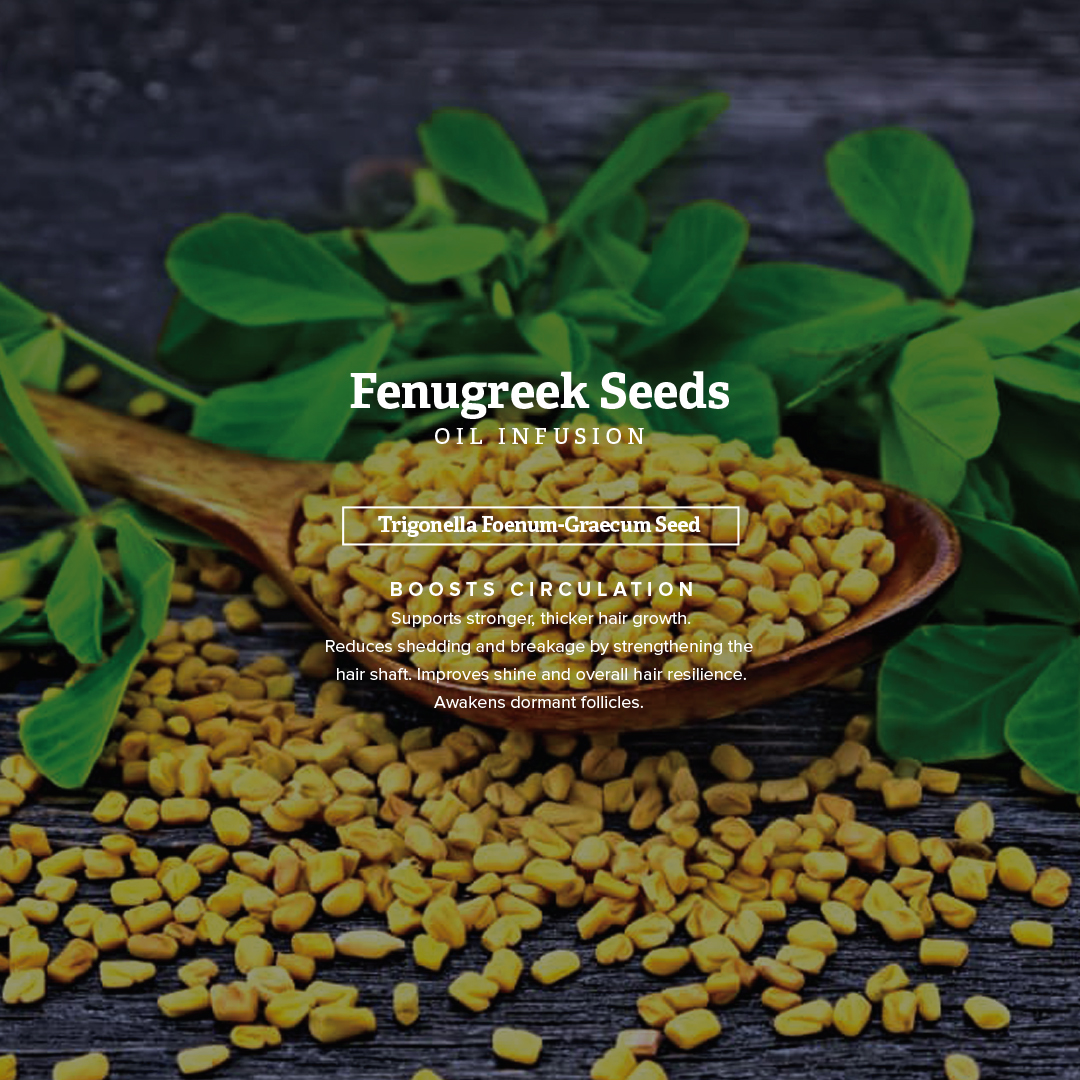
Hair follicles require a steady supply of oxygen and nutrients delivered through the blood. Poor scalp circulation — often caused by tension, neglect, or an unhealthy scalp barrier — means follicles are essentially malnourished. Stimulating the scalp through massage, proper oiling, and cleansing helps maintain robust blood flow to the root zone.
Sebum Production
Your scalp produces its own natural oil called sebum through sebaceous glands attached to each follicle. Sebum is your hair’s built-in conditioner and protective coating. When sebum production is balanced, it travels down the hair shaft, nourishing and protecting it. When it is out of balance — either too much or too little — the results show up as greasy, flat hair on one end, or dry, brittle strands on the other.
The Scalp Microbiome
Like your gut and your skin, your scalp is home to a community of micro-organisms. A balanced microbiome supports a healthy scalp environment. Disruption to this balance — from harsh products, over-washing, or product buildup — can trigger inflammation, sensitivity, and conditions like dandruff.
Inflammation
Chronic low-grade scalp inflammation is one of the leading causes of hair thinning and shedding that goes undiagnosed. Inflammation around the follicle disrupts the growth cycle, pushing hairs prematurely into the shedding phase. Addressing scalp inflammation through gentle care, anti-inflammatory ingredients, and a consistent routine can make a meaningful difference in hair density over time.
Common Scalp Issues: What Your Scalp Might Be Telling You
Before you can improve your scalp health, you need to recognise what is going wrong. Here are the most common scalp concerns I see in my clients:
Dryness and Flaking
Dry scalp occurs when the skin loses moisture faster than it can replenish it. This is common in our Accra climate, particularly during the harmattan season, and in individuals who over-cleanse or use drying shampoos. Symptoms include fine, white flakes, tightness, and sometimes itching. The flakes from dry scalp tend to be small and dry — unlike dandruff flakes, which are oilier.
Excess Oil and Greasiness
An overactive sebaceous system produces excess sebum, leaving the scalp and roots feeling greasy quickly after washing. This can be triggered by hormonal fluctuations, washing too frequently (which strips the scalp and causes it to overcompensate), or using heavy products at the root.
Dandruff
Dandruff is a chronic condition linked to an overgrowth of a naturally occurring scalp yeast called Malassezia. It is not caused by dirtiness, as is commonly believed. Dandruff produces larger, yellowish or white flakes that may be oily, and is often accompanied by itching. It requires targeted treatment rather than just moisturising.
Itching
An itchy scalp can stem from multiple causes: dryness, product buildup, fungal activity, allergic reactions to hair products, or even tension from protective styles. Persistent or severe itching warrants professional attention.
Product Buildup
One of the most common issues in the natural hair community, product buildup occurs when layers of leave-in conditioners, butters, oils, and styling products accumulate on the scalp without adequate cleansing. Buildup suffocates follicles, blocks sebum flow, and creates an environment where bacteria and yeast can thrive.
Sensitivity and Irritation
Some people have a reactive scalp that becomes inflamed or irritated easily — from ingredients, heat, friction, or environmental factors. Sensitivity often presents as redness, burning, or stinging sensations.
How to Determine Your Scalp Type
Just as you would identify your skin type before choosing a facial routine, knowing your scalp type is essential for building an effective scalp care routine.
The Day-Two Test
Wash your hair thoroughly and leave it product-free. On day two, examine your scalp closely and pay attention to how it feels.
- Oily scalp: Roots appear greasy, scalp feels slick, hair looks flat or weighed down just one to two days after washing.
- Dry scalp: Scalp feels tight or itchy, fine white flakes may be present, hair looks dull and feels rough at the roots.
- Combination scalp: Oily at the crown or T-zone area, drier or normal at the nape and sides. Very common.
- Sensitive scalp: Regardless of oiliness or dryness, the scalp reacts easily — stinging, redness, or irritation after product application or manipulation.
Your scalp type can shift with the seasons, changes in diet, hormonal changes, or when you switch products. Reassess every few months and adjust your routine accordingly.
Building a Scalp Care Routine
A well-structured scalp care routine does not need to be complicated. It needs to be consistent. Here are the four pillars:
1. Cleansing
Cleansing is the foundation of every scalp care routine. The goal is to remove sweat, sebum, product buildup, and environmental debris without stripping the scalp’s natural moisture.
How often you cleanse depends on your scalp type and lifestyle. An active person in Accra’s heat and humidity may need to cleanse every five to seven days. Those with drier scalps or low-manipulation styles may stretch to ten to fourteen days — though buildup should always inform when you cleanse, not just the calendar.
Use a gentle, sulphate-free shampoo or a diluted cleansing shampoo at the scalp. Concentrate the lather at the roots and scalp, and allow the rinse to clean the lengths. Avoid vigorous scrubbing with your nails — use the pads of your fingertips in circular motions.
2. Exfoliating
Scalp exfoliation removes dead skin cell buildup and product residue that regular shampooing can miss. Think of it the same way you would a facial exfoliant. A gentle scalp scrub or exfoliating scalp treatment used once or twice a month can significantly improve scalp clarity and circulation.
Be cautious with exfoliation if you have an active scalp condition, sensitivity, or open wounds. Less is more — over-exfoliation can compromise the scalp barrier.
3. Moisturising and Treating
After cleansing, the scalp needs replenishment. This is where targeted scalp treatments, serums, and oils come in. Look for ingredients that soothe, hydrate, and support the follicle environment: botanical oils, aloe vera, tea tree, peppermint, and nourishing butters in appropriate concentrations.
Avoid applying heavy creams or butters directly to the scalp if you are prone to buildup or have an oily scalp type. Lightweight oils and serums are more appropriate.
4. Protecting
Protection means minimising stressors that damage the scalp over time. This includes avoiding excessive heat at the root, not wearing protective styles too tightly (tension alopecia is a real and widespread concern), covering your hair during extended sun exposure, and maintaining a healthy diet rich in protein, iron, and vitamins that support hair growth from within.
The Benefits of Scalp Oils: Nature’s Answer to a Healthy Scalp
Scalp oiling has been practised across West Africa and the African diaspora for generations — and modern trichology is now catching up to what our grandmothers already knew. Botanical oils offer a remarkable range of benefits when used correctly on the scalp.
Here is what well-chosen scalp oils can do:
- Nourish follicles with fatty acids that penetrate the scalp and support the follicle’s structural integrity
- Seal moisture into the scalp, reducing dryness and flaking
- Stimulate circulation — particularly when massaged in, increasing blood flow to follicles
- Soothe inflammation with anti-inflammatory plant compounds
- Balance the scalp microbiome — certain oils, including tea tree and neem, have antimicrobial properties that support a healthy scalp environment
- Condition the hair shaft as the oil travels down from root to tip
Not all scalp oils are created equal. The formulation matters enormously — the right blend of lightweight carrier oils, botanicals, and active plant extracts can make a significant difference compared to a single heavy oil applied undiluted.
Our Hair and Scalp Oil (GHS 60) is formulated specifically for the scalp care needs of our clients in Ghana. It combines nourishing botanical oils with scalp-stimulating ingredients to support a healthy follicle environment without leaving the heavy, greasy residue that so many scalp oils are guilty of. Apply a small amount directly to the scalp using a nozzle or your fingertips, then massage in circular motions for three to five minutes. This can be done two to three times between wash days.
Scalp Care for Locs
If you wear locs, your scalp care routine requires specific attention. Locs are a beautiful protective style, but they can trap products, lint, and debris close to the scalp more readily than loose styles. The consequences of neglect show up as buildup, odour, mildew (particularly if locs are not dried thoroughly), and in some cases, thinning at the root from accumulated tension and blocked follicles.
Cleansing Locs Properly
Use a residue-free shampoo designed for locs. Diluting your shampoo in a spray bottle makes it easier to work it directly into the scalp between and beneath your locs without creating excessive lather that leaves residue. Cleanse every seven to ten days at minimum — or more frequently if you are very active.
Rinse thoroughly. Incomplete rinsing is the leading cause of buildup and odour in locs. Take extra time on the rinse step.
Drying Thoroughly
This is non-negotiable. Locs that remain damp at the core invite mildew. After washing, use a hooded dryer or diffuser to dry your locs completely — not just the exterior surface, but all the way through. This is particularly important for mature, dense locs.
Oiling Between Locs
Moisturising the scalp between locs is where many loc wearers struggle. A lightweight scalp oil applied via a nozzle applicator directly to the parting lines is the most effective approach. Our Hair and Scalp Oil works well for this purpose — the lightweight formula absorbs without leaving white residue on the locs themselves.
Avoid heavy butters and thick creams at the scalp entirely if you wear locs. They are almost impossible to fully remove and contribute directly to buildup and lint accumulation.
Scalp Massage for Loc Wearers
Regular scalp massage is just as important for loc wearers as for those with loose hair. Use your fingertips to work in circular motions across the scalp after applying your oil. This stimulates blood flow and helps keep follicles active, which is especially important if your locs are heavy and exerting downward tension on the roots.
Deep Conditioning
While deep conditioning is primarily associated with loose natural hair, loc wearers benefit from it too. A regular deep conditioning treatment keeps the hair fibres within the loc moisturised and strong. Our Deep Conditioner (GHS 80) is formulated to penetrate and nourish without causing the slippage or loosening that many standard conditioners produce in locs.
Signs You Should See a Professional
A consistent at-home scalp care routine will resolve most common scalp concerns within four to eight weeks. However, there are situations where home care is not enough and professional assessment is important.
Seek professional advice if you experience:
- Persistent or worsening hair shedding — losing more than one hundred hairs a day consistently, or noticing visible thinning, particularly at the hairline or crown
- Patches of hair loss — circular or irregular bald patches may indicate alopecia areata, which requires dermatological treatment
- Scalp sores, lesions, or scabbing that do not resolve within a week or two with gentle care
- Severe or persistent dandruff that does not respond to anti-dandruff treatments after four to six weeks of consistent use
- Burning, intense pain, or numbness on the scalp
- Signs of infection — swelling, warmth, discharge, or significant tenderness at the scalp
- Sudden dramatic changes in scalp condition or hair growth pattern with no obvious lifestyle or product cause
Many scalp and hair loss conditions are treatable when caught early. Do not wait and hope the problem resolves on its own if any of the above apply.
Our mobile hair care service in Accra includes scalp assessments as part of every appointment. If you are unsure about what your scalp is telling you, visit our shop or reach out to book a consultation.
Frequently Asked Questions
How often should I wash my scalp?
There is no single correct answer — it depends on your scalp type, activity level, and styling choices. As a general guide: oily scalp types may need cleansing every five to seven days; normal or combination scalps every seven to ten days; dry scalps every ten to fourteen days. Loc wearers should cleanse at least every seven to ten days regardless of scalp type, to prevent buildup. Always let your scalp’s condition — not just the clock — guide when to cleanse.
Can I use shea butter directly on my scalp?
Shea butter is a rich, occlusive ingredient that works beautifully on the hair shaft and as a sealant for moisture in styling. However, applying raw shea butter directly and heavily to the scalp can contribute to buildup and clog follicles over time, particularly for those with oily or combination scalp types. If you want the nourishing benefits of shea on your scalp, a product formulated with shea in appropriate concentrations alongside lighter carrier oils — rather than pure unrefined shea — is a more effective approach.
Is an itchy scalp always a sign of a dirty scalp?
Not at all. Itching is one of the scalp’s most common signals, but it has many potential causes: dryness, product buildup, a sensitivity or allergic reaction to an ingredient, tension from a tight style, or conditions like dandruff or seborrhoeic dermatitis. An itchy scalp that is clean could indicate dryness or sensitivity rather than a need to wash more frequently. Over-washing in response to itching can actually make dryness worse. Identify the root cause before changing your cleansing frequency.
How long before I see results from a new scalp care routine?
Scalp health improvements — reduced flaking, less itching, better moisture balance — are often noticeable within two to four weeks of consistent routine changes. Visible improvements in hair growth, density, and strength take longer, typically three to six months, because the hair growth cycle itself is a slow process. Consistency is the most important variable. A modest routine followed reliably will always outperform an elaborate routine followed sporadically.
Your hair’s best growth starts not at the ends, but at the scalp. Treat it with the same intelligence and consistency you bring to the rest of your skin care, and your hair will reflect that investment — in strength, in length, and in health.
Ready to start? Explore our range of scalp-focused products, including our Hair and Scalp Oil and Deep Conditioner, in the Shea Perfection shop.