

Why Home Loc Maintenance Matters Between Salon Visits
Knowing how to maintain locs at home is one of the most valuable skills any loc wearer can develop. Whether your locs are brand new or well-established, what happens between your salon appointments determines how healthy, neat, and vibrant they look. At Shea Perfection, we work with clients across Accra every week, and the difference between locs that thrive and locs that struggle almost always comes down to the home care routine. This guide covers everything you need to keep your locs in excellent condition — from daily moisture to monthly retightening — so your next salon visit is a joy rather than a rescue mission.
Essential Tools for Loc Maintenance at Home
Before we dive into routines, let us talk about the tools that make home loc care practical and effective. Using the wrong tools — or no tools at all — is one of the most common reasons locs become damaged, frizzy, or poorly formed over time.
Here is what every loc wearer should have at home:
- Mistifyer Spray Bottle (GHS 45) — A fine-mist spray bottle specifically designed for locs. Consistent, even moisture distribution without saturating the hair is essential, and a good spray bottle makes all the difference.
- Hair and Scalp Oil (GHS 60) — A lightweight oil formulated to nourish both the scalp and the length of your locs without causing buildup. This is a staple product in our Shea Perfection loc care toolkit.
- Locc Comb (GHS 65) — Designed specifically for locs, this comb helps with separation, lint removal, and scalp care without disturbing the loc structure.
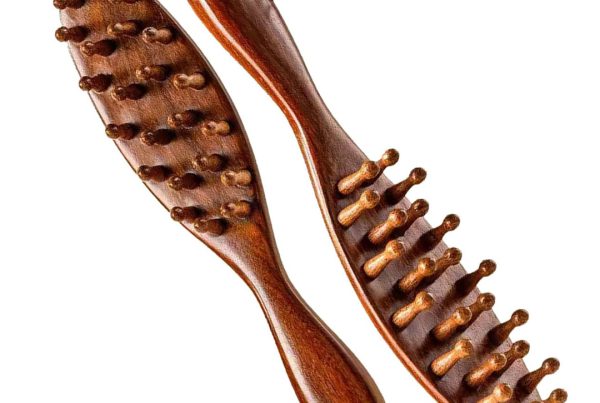
- Locc Care Hair Brush (GHS 75) — A soft-bristle brush that smooths the surface of your locs, removes surface lint and debris, and helps lay down frizz without unravelling the loc pattern.
- Interlocking Tools (GHS 20) — If you interlock your locs, having the right tool at home means you can manage minor new growth between appointments without damaging the root structure.
- Microfiber Towel (GHS 50) — Standard towels cause frizz and lint transfer. A microfiber towel dries your locs gently and quickly, with far less disruption to the hair cuticle.
Investing in the right tools upfront saves you far more in the long run — both in product costs and in repair appointments.
Your Daily Loc Care Routine
Daily loc maintenance does not need to take more than five minutes. The goal is simple: keep moisture in and keep lint out.
Morning Moisture Routine
- Spritz with your Mistifyer. Hold your Mistifyer spray bottle about 20–25 cm from your hair and mist your locs lightly, section by section. Focus on the length and ends, which tend to dry out fastest. You are aiming for damp, not wet — locs that stay wet for long periods are more prone to mildew.
- Apply Hair and Scalp Oil. Follow the moisture with a few drops of Hair and Scalp Oil. Rub it between your palms first, then work it through your locs from mid-length to the ends. Apply a small amount directly to your scalp — part by part — using the tip of the bottle or your fingertip. Do not overdo it; a little goes a long way.
- Brush the surface lightly. Use your Locc Care Hair Brush to smooth down any frizz and remove surface fluff or lint. Brush in the direction of loc growth, and use gentle, even strokes. This step also massages the scalp slightly, which stimulates circulation.
- Style as desired. Whether you pin your locs up, wear them loose, or pull them back, style them while they are still slightly damp. Locs hold styles better with a little moisture in them.
Evening Care
In the evenings, cover your locs with a satin or silk scarf before bed — more on this in the sleeping section below. If you styled your locs earlier and they feel stiff or dry by evening, a very light re-mist before covering them helps restore flexibility overnight.
Weekly Loc Maintenance
Once a week, give your locs a little more attention. This is when you address any separation issues, do a thorough lint check, and prepare your scalp for the week ahead.
Separation and Parting Check
Locs have a tendency to want to marry each other — especially at the roots during the first few years. Every week, go through your locs root by root and gently separate any that have begun to fuse together. Use your fingertips and take your time. Forcing apart locs that have grown together can cause breakage or thinning at the root.
Use your Locc Comb to help navigate the scalp and part sections cleanly. This comb is especially useful for clients with smaller, denser locs where fingers alone struggle to get between rows.
Lint Removal
Lint is the enemy of beautiful locs. It comes from pillowcases, scarves, clothing, and the environment, and it embeds itself in the loc structure over time if not addressed. During your weekly check:
- Inspect each loc in good lighting (natural light is best).
- Use the fine-toothed end of your Locc Comb to gently coax surface lint out of the loc, working from the tip toward the root.
- Follow with your Locc Care Hair Brush to smooth everything down.
- For lint that has already embedded deeply, this is a job for your salon visit — do not pick aggressively at your locs.
Scalp Check
Parting through your locs once a week gives you a clear view of your scalp. Check for any flaking, irritation, or unusual tenderness. A healthy scalp is the foundation of healthy locs. If you notice persistent flaking or itching, it is worth speaking to your stylist before the issue worsens.
Monthly Loc Maintenance: Retightening and Interlocking
This is where home loc care becomes a bit more technical, and it is important to be honest with yourself about your skill level before attempting it.
Understanding New Growth
Every month, you will have approximately 1–1.5 cm of new growth at the root. This new growth is loose, unloced hair that needs to be incorporated into the existing loc. If left unattended for too long, it becomes tangled, difficult to manage, and prone to matting in the wrong direction.
Interlocking at Home
Interlocking is a retightening method that pulls the loc through its own root in a specific pattern to lock new growth in place. It is a very precise technique, and when done correctly, it creates a clean, durable root with excellent longevity.
If you have been taught the interlocking technique by a professional and are confident in your pattern, you can maintain your roots at home using the Interlocking Tools (GHS 20). These tools allow you to pass the loc through the root section with precision and control, reducing the risk of overtightening or creating weak spots.
A few important rules for home interlocking:
- Always work on clean, dry hair.
- Use a mirror and good lighting — a handheld mirror behind you and a wall mirror in front is ideal.
- Do not rush. Rushing leads to skipped passes and uneven tightening.
- Keep track of your interlocking pattern (most stylists use 2-point or 4-point rotation). If you are unsure of your pattern, ask your stylist at your next visit before attempting it at home.
- Do not pull too tightly. Overtightening causes traction alopecia over time.
If you are unsure of your technique, or if your locs are less than six months old, please come in for a professional retightening rather than attempting it at home. New locs are more vulnerable to pattern disruption.
How to Wash Locs Properly
One of the most persistent myths about locs is that they should not be washed often. In reality, clean locs are healthy locs. We recommend washing every one to two weeks, depending on your activity level, scalp type, and the Accra heat.
Step-by-Step Loc Washing Guide
- Dilute your shampoo. Apply shampoo directly to locs can leave residue trapped inside. Instead, dilute a clarifying or residue-free shampoo in a small squeeze bottle with water, then apply it to your scalp in sections.
- Focus on the scalp. Use your fingertips — not your nails — to massage the shampoo into your scalp. The product will work its way down the locs as you rinse. Avoid rubbing locs together aggressively, as this causes frizz.
- Rinse thoroughly. Incomplete rinsing is the number one cause of buildup. Rinse longer than you think you need to, squeezing each loc from root to tip to help flush water through.
- Repeat if needed. If you have used a lot of product since your last wash, a second shampoo pass is worthwhile.
- Squeeze, do not wring. After rinsing, gently squeeze sections of locs downward to remove excess water. Never wring or twist locs like a towel.
- Blot dry with your microfiber towel. Your Microfiber Towel (GHS 50) absorbs water efficiently without the friction that causes frizz and lint transfer. Blot and squeeze — do not rub.
- Air dry completely. This step cannot be skipped. Locs that are put away damp — especially covered with a scarf or wrapped up — will develop mildew. In the Accra climate, air drying is usually fast, but if you wash in the evening, use a hooded dryer or sit under a fan to ensure your locs are fully dry before bed.
Sleeping With Locs: Protecting Them at Night
How you sleep matters enormously for the condition of your locs. Eight hours of friction against the wrong surface every night adds up to serious damage over months and years.
Use a Satin or Silk Covering
Cotton pillowcases pull moisture from your hair, cause friction on the loc surface, and are a major source of lint. Switch to a satin or silk pillowcase, or cover your locs every night with a satin scarf or bonnet.
For those with longer locs, a large satin scarf or a loc sock (a tube of satin fabric) works better than a bonnet, which may not be large enough to contain all your length comfortably.
Loose or Gathered
There is some debate among loc wearers about whether to leave locs loose or gather them while sleeping. Here is our guidance:
- Short to medium locs: A loose satin bonnet or scarf is usually sufficient.
- Long locs: Loosely gather your locs to one side or on top of your head in a very loose pineapple style before covering. Avoid tight bands — a wide, soft scrunchie (not a rubber band) is appropriate if you need to gather them.
- Freshly retightened locs: Avoid any tension for the first 48 hours after retightening. Keep them loose and uncovered or only lightly covered to allow the roots to settle.
Common Loc Maintenance Mistakes to Avoid
After years of working with loc clients at Shea Perfection, these are the mistakes we see most often — and the ones that cause the most damage.
- Using products with heavy wax or petroleum. These coat the loc surface and trap debris inside. They also block moisture from penetrating the hair. Always use lightweight, water-based products or natural oils formulated for locs.
- Over-retightening. More tightening does not mean neater locs. Retightening too frequently or too aggressively causes thinning at the root and eventual breakage. Stick to a monthly schedule and do not pull excessively.
- Ignoring new growth for too long. Leaving new growth unattended for more than six to eight weeks makes the retightening process harder and more painful. It also allows locs to join at the root in ways that are difficult to correct later.
- Not drying locs fully after washing. This is serious. Mildew inside locs is not immediately visible, but it causes an unpleasant smell, weakens the hair structure, and is very difficult to eliminate once established. Always air dry completely.
- Picking at lint with pins or sharp objects. This frays the loc surface and can cause permanent frizz or surface damage. Use your Locc Comb gently, and leave deep-seated lint for your stylist.
- Wearing styles that are too tight. High-tension styles — tight ponytails, updos, or styles that pull at the roots — cause traction alopecia over time. This is more of a risk for locs because the weight of mature locs increases the tension. Keep protective styles loose and rotate your parting.
- Neglecting the scalp. Locs make it easy to forget the scalp exists, but scalp health drives everything. Oil your scalp regularly, massage it to stimulate circulation, and address any concerns before they become problems.
When to See a Professional
Home maintenance is valuable and empowering, but it does not replace professional care. Here are the situations where you should book an appointment rather than trying to manage things yourself:
- Your locs have begun to congo (fuse together at the root) and you cannot gently separate them at home.
- You notice significant thinning at the root of one or more locs.
- You detect an unusual smell from your locs (a possible sign of mildew).
- Your scalp is persistently itchy, inflamed, or flaking despite regular oiling and washing.
- Your locs are new (under six months) and you are unsure about retightening technique.
- It has been more than eight weeks since your last professional retightening.
- You want to change your retightening method (for example, switching from palm rolling to interlocking).
At Shea Perfection, we offer mobile loc maintenance services across Accra, so you do not even need to come to us — we come to you. Book a loc maintenance appointment here and let us take care of the work your hands cannot do.
Frequently Asked Questions About Loc Maintenance at Home
How often should I moisturise my locs?
Daily moisturising is ideal, especially in dry conditions or if you spend a lot of time in air-conditioned environments. Accra’s humidity can be a natural ally for moisture retention, but heated and cooled indoor spaces counteract that. A light mist from your Mistifyer each morning, followed by a few drops of Hair and Scalp Oil, is a simple and effective daily routine. Pay attention to how your locs feel — dry, brittle locs need more frequent attention than soft, supple ones.
Can I interlock my own locs at home?
Yes, but with important caveats. You need to know your specific interlocking pattern (established by your original stylist), have good access to your own roots (particularly the back of your head), and be patient enough to work slowly. The Interlocking Tools make the process more manageable at home, but technique matters more than tools. If you have not been properly instructed in your pattern, home interlocking can cause damage that is difficult and costly to repair. When in doubt, book a professional appointment.
How do I stop my locs from frizzing?
Some frizz is a natural part of the loc journey, particularly in the early stages. However, you can minimise it by sleeping on satin every night, avoiding rough towel-drying (use your Microfiber Towel instead), brushing your locs gently with the Locc Care Hair Brush to smooth the surface, and keeping your locs moisturised. Dry locs frizz more readily than well-moisturised ones. Avoid cotton fabrics on your locs where possible — including cotton pillowcases, scarves, and hat linings.
How do I know if my locs have buildup?
Buildup in locs looks and feels like a waxy, dull coating on the outside of the loc, and sometimes like a hard, solid core inside a loc when you squeeze it. Locs with buildup often appear grey or dull rather than vibrant, and they may feel stiff or heavy. Buildup comes from heavy products, insufficient rinsing, hard water, or washing too infrequently. A clarifying wash with a diluted residue-free shampoo is the first step. For significant buildup, an apple cider vinegar rinse (one part ACV to four parts water) can help, but this should be done no more than once a month and followed by thorough rinsing and complete drying. Persistent or severe buildup needs professional treatment.