
Shea Butter in Ghana: More Than Just a Skincare Ingredient
If you have grown up in Ghana or anywhere across West Africa, you already know that shea butter benefits are not some recent wellness trend. Shea butter — nkuto in Twi — has been part of our daily lives for generations. It is what our grandmothers rubbed into their skin after bathing, what mothers used to soften their children’s hair, and what market women in the North carried in clay pots alongside groundnuts and dried fish. Here at Shea Perfection, we work with this extraordinary ingredient every single day from our base in Accra, and the more we learn about it scientifically, the more we appreciate what our ancestors already understood instinctively. This guide covers everything you need to know about shea butter for skin, shea butter for hair, and why Ghana shea butter in particular is considered among the finest in the world.
What Is Shea Butter? The Tree, the Harvest, and the Process
Shea butter comes from the seeds of the Vitellaria paradoxa tree, known locally as the shea tree or karité tree. These trees grow across the semi-arid Sahel belt of West Africa — from Senegal in the west through Ghana, Burkina Faso, Mali, and across to Sudan in the east. In Ghana, shea trees are found predominantly in the Northern, Upper East, and Upper West regions, where the landscape is open savannah and the trees grow wild, unpruned, and deeply rooted in the red laterite soil.
What makes Ghanaian shea particularly prized is the combination of climate, soil composition, and the traditional knowledge held by the women who harvest it. Shea harvesting is almost exclusively the work of women in Ghana — it is a source of income, a cultural inheritance, and a form of economic empowerment all at once. The process begins when the shea fruits fall naturally from the tree between May and August. Women collect the fallen fruits by hand, remove the pulp, and crack open the nuts to extract the kernel inside.
From Kernel to Butter: The Traditional Processing Method
The kernels are dried, roasted over an open fire, and then ground into a thick paste. This paste is kneaded with water, a process that can take several hours and is done by hand in many communities. The fat rises to the surface as it is worked, and this raw fat — the unrefined shea butter — is skimmed off, heated gently, and poured into moulds to solidify. The result is an ivory or pale yellow butter with a naturally nutty, smoky aroma. This is the purest form of the ingredient, and it is the form we most frequently work with at Shea Perfection.
The Nutritional Profile of Shea Butter: What Makes It Work
Understanding why shea butter is so effective for skin and hair begins with understanding its chemical composition. This is not marketing language — the science is well documented and genuinely impressive.
Fatty Acids
- Oleic acid (Omega-9): Typically 40–60% of shea butter’s fat content. Oleic acid is highly compatible with human skin lipids, meaning it penetrates the skin barrier efficiently rather than simply sitting on top. It softens skin and improves the absorption of other active ingredients.
- Stearic acid: Around 20–50%. Stearic acid is a saturated fatty acid that provides shea butter with its semi-solid texture at room temperature. It is deeply conditioning and helps to repair the skin’s protective barrier.
- Linoleic acid (Omega-6): Smaller but meaningful amounts. Linoleic acid is essential — meaning the body cannot produce it — and plays a key role in maintaining the skin barrier and reducing inflammation.
- Palmitic acid: A further saturated fatty acid that contributes to emolliency and texture.
Vitamins
- Vitamin A: Supports cell turnover and collagen synthesis. Vitamin A derivatives (retinoids) are among the most studied anti-ageing compounds in dermatology, and shea butter delivers a natural, gentle source of this vitamin.
- Vitamin E (tocopherols): A powerful antioxidant that protects both the skin and the product itself from oxidative damage. Vitamin E helps to neutralise free radicals, which are responsible for much of what we call skin ageing.
- Vitamin F: This refers to the essential fatty acids — linoleic and alpha-linolenic acid — which are critical for maintaining a healthy skin barrier and are often depleted in dry or compromised skin.
Triterpene Alcohols and Cinnamic Acid
Shea butter contains a group of bioactive compounds called triterpene alcohols — including lupeol, butyrospermol, and parkesol — which have demonstrated anti-inflammatory and anti-tumour properties in laboratory studies. Perhaps most notably, shea butter contains cinnamic acid esters, particularly lupeol cinnamate. Research has shown that these compounds provide measurable UV-absorbing activity, giving unrefined shea butter a natural SPF of approximately 3–4. While this is far too low to replace proper sun protection, it adds a meaningful layer of daily defence for skin exposed to Ghana’s intense equatorial sun.
Shea Butter Benefits for Skin
The properties described above translate into a wide range of practical skin benefits. Here is what the evidence — and generations of practical use — actually supports.
Deep Moisturisation and Skin Barrier Repair
Shea butter is an emollient, meaning it works by filling in the gaps between skin cells, smoothing the skin’s surface and reducing transepidermal water loss (TEWL). Unlike humectants such as glycerin or hyaluronic acid, which attract water to the skin from the environment, emollients physically seal moisture in. The high stearic and oleic acid content in shea butter makes it exceptionally good at this. For people living in Accra, where the harmattan season can strip the skin of moisture rapidly, a good emollient is not optional — it is essential.
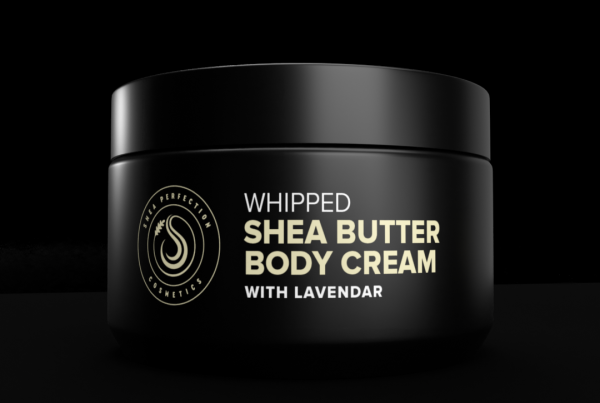
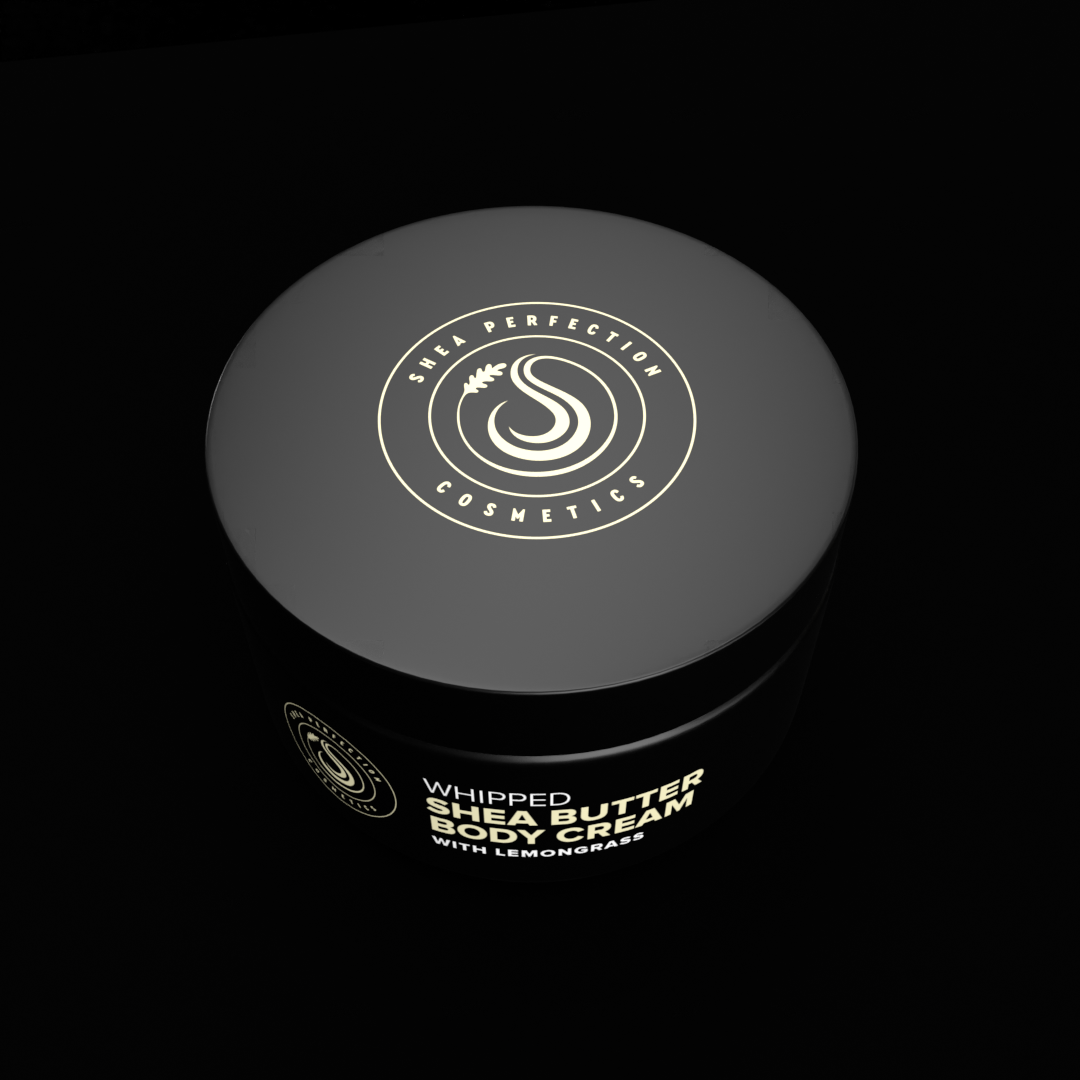
Our Shea Butter Body Cream with Lemongrass (GHS 55) was formulated specifically for everyday moisturisation in this climate. The lemongrass extract adds a natural antibacterial element and a fresh, clean scent that sits beautifully against the earthy warmth of the shea base.
Anti-Inflammatory Properties
The triterpene alcohols and cinnamic acid derivatives in shea butter have demonstrated anti-inflammatory activity in multiple studies. A 2010 paper published in the American Journal of Life Sciences found that shea butter extracts inhibited the production of pro-inflammatory cytokines in a manner comparable to some pharmaceutical agents. In practical terms, this means shea butter can help to calm redness, reduce swelling, and soothe irritated skin — whether that irritation is from environmental exposure, a reaction, or a chronic condition.
Eczema and Sensitive Skin
People with eczema (atopic dermatitis) and other forms of chronic dry or sensitive skin often find shea butter to be one of the most tolerable and effective topical treatments available. Its fatty acid profile closely mirrors the lipids found in a healthy skin barrier, which means the skin recognises it and absorbs it well. It is non-comedogenic at moderate concentrations, meaning it is unlikely to block pores for most skin types. Because unrefined shea butter contains no synthetic fragrances, preservatives, or detergents, it is also far less likely to trigger reactions than many commercial moisturisers.
Stretch Marks and Skin Elasticity
Shea butter has long been used across West Africa during pregnancy to prevent stretch marks. While no topical ingredient can fully prevent stretch marks — which are a function of genetics and the speed and degree of skin stretching — shea butter does support skin elasticity. The vitamin A content promotes collagen and elastin production, while the fatty acids maintain the skin’s pliability. Regular use during pregnancy, adolescence, or periods of weight change can improve the skin’s ability to adapt.
Anti-Ageing and Collagen Support
Both vitamin A and vitamin E contribute to shea butter’s anti-ageing reputation. Vitamin A promotes cellular turnover, helping to replace older, duller skin cells with fresh ones. Vitamin E — present as tocopherols in the unsaponifiable fraction of shea butter — neutralises free radicals generated by UV exposure, pollution, and metabolic processes. Free radical damage is one of the primary mechanisms of visible skin ageing, and consistent antioxidant protection over time does make a measurable difference.
Wound Healing and Scar Tissue
Shea butter has been used traditionally to support the healing of minor cuts, burns, and abrasions. The anti-inflammatory triterpenes reduce the initial inflammatory response, while the emollient properties keep the wound site moist — a key factor in reducing scar formation. Moist wound healing has been shown in clinical research to produce better cosmetic outcomes than allowing wounds to dry out and scab over.
Shea Butter Benefits for Hair
Hair care is one of the areas where Ghana shea butter has always excelled, and it is one of the cornerstones of our product range at Shea Perfection. Ghanaian and West African hair textures — typically tightly coiled or kinky — have specific moisture and breakage challenges that shea butter is remarkably well suited to address.
Moisture Retention and Porosity Management
High-porosity hair, which is common in tightly coiled textures and in hair that has been chemically treated, loses moisture rapidly. The cuticle layers are raised or damaged, allowing water to enter and exit quickly. Shea butter’s emollient properties coat the hair shaft, helping to seal the cuticle and slow moisture loss. This is what we call the sealing step in natural hair care — and shea butter is one of the most effective sealants available.
Reducing Breakage and Improving Elasticity
Hair breakage is primarily a function of dryness and mechanical stress. When hair lacks moisture, it becomes brittle and snaps at points of tension — during detangling, styling, or even from friction against pillowcases. Shea butter reduces this brittleness by maintaining internal moisture levels and providing a slip that makes detangling significantly easier, reducing the mechanical force required and thus the number of strands lost.
Our Deep Conditioner (GHS 80) combines shea butter with additional conditioning agents to penetrate deeper into the hair shaft, temporarily filling damaged areas of the cortex and restoring flexibility. It is designed to be used with heat for maximum penetration, and customers regularly tell us it is the single product that transformed their breakage situation.
Scalp Health
A healthy scalp is the foundation of healthy hair growth. Shea butter’s anti-inflammatory properties make it useful for conditions like scalp psoriasis, dandruff, and seborrhoeic dermatitis — all of which involve inflammation as a key component. Its emollient action also addresses scalp dryness directly, soothing the tightness and flaking that many people experience during the harmattan or after frequent washing with harsh shampoos.
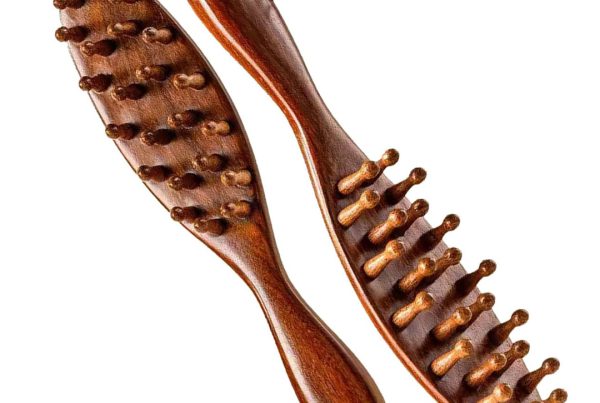
Our Hair and Scalp Oil (GHS 60) was developed specifically for scalp application, combining shea butter with lightweight carrier oils that allow the active compounds to reach the scalp without leaving a heavy residue on the hair itself. It is ideal for weekly scalp massages, which improve circulation to the hair follicles in addition to delivering the conditioning benefits of the shea.
Heat and Environmental Protection
The natural cinnamic acid content in unrefined shea butter provides a modest degree of UV and heat protection. When applied to hair before heat styling or before prolonged sun exposure, it forms a protective coating that helps to reduce cuticle damage. This should not replace a dedicated heat protectant for very high-heat styling, but as part of an everyday routine it adds a meaningful layer of protection.
Raw and Unrefined vs Refined Shea Butter: Which Is Better?
This is a question we are asked constantly, and the answer is almost always: unrefined.
Refined shea butter has been processed with solvents and/or high heat to remove the natural odour, colour, and impurities. The result is a white, odourless butter that looks clean and is easier to incorporate into cosmetic formulations without affecting their colour or scent profile. However, this processing also removes or degrades a significant proportion of the vitamins, triterpene alcohols, and other bioactive compounds that give shea butter its therapeutic value. You are essentially left with the emollient fatty acids — useful, but a fraction of the full picture.
Unrefined shea butter retains its full complement of vitamins, antioxidants, anti-inflammatory compounds, and cinnamic acid esters. The colour ranges from ivory to pale yellow, and the scent — that characteristic nutty, slightly smoky smell — is evidence of the roasting process and the preserved phytonutrients. This is the form we use in our products wherever possible.
There are cases where refined shea butter has its place: in leave-on products where a strong scent would be intrusive, or in formulations where colour stability is critical. But for maximum skin and hair benefit, unrefined is the standard we hold ourselves to at Shea Perfection.
How to Use Shea Butter in Your Daily Routine
For Skin
- Apply to damp skin: After bathing, do not dry off completely. Apply shea butter or a shea-based cream while the skin is still slightly damp. This locks in the water from your shower and dramatically improves the moisturising effect.
- Use on targeted areas: Elbows, knees, heels, and knuckles are typically drier than the rest of the body and benefit from a more concentrated application. A small amount of raw shea butter rubbed in overnight works remarkably well.
- Lip care: A tiny amount of raw shea butter makes an excellent lip balm and is entirely safe to ingest in small quantities.
- Under sunscreen: Apply a shea-based moisturiser first, allow it to absorb for a few minutes, then apply your SPF on top. The emollient layer also improves the even distribution of sunscreen.
For Hair
- Pre-poo treatment: Apply shea butter or a shea-based oil to dry hair 30–60 minutes before shampooing. This pre-poo step reduces the hygral fatigue (swelling and contracting of the hair shaft) that repeated washing causes, and helps to retain the hair’s natural oils during cleansing.
- Deep conditioning: Use a shea-based deep conditioner under a plastic cap with gentle heat (a warm towel works) for 20–30 minutes after shampooing. Rinse thoroughly with cool water to seal the cuticle.
- LOC or LCO method: After washing, apply in the sequence of Liquid (water or leave-in conditioner), Oil (our Hair and Scalp Oil), then Cream (a shea-based cream or butter) to seal. This layered approach keeps moisture locked into the hair shaft for several days.
- Scalp massage: Once a week, warm a small amount of shea-based scalp oil between your palms and massage into the scalp using circular motions for five to ten minutes. This stimulates blood flow to the follicles and delivers the anti-inflammatory and conditioning benefits directly where they are needed.
How Shea Perfection Sources and Uses Shea Butter
We are not a company that imports shea butter from elsewhere and blends it in Accra. Our shea is sourced directly from women’s cooperatives in northern Ghana — primarily from the Upper East and Upper West regions, where the shea trees are oldest and the traditional processing knowledge is most intact. We work with cooperatives rather than individual suppliers because this model supports collective income for rural women, ensures consistent quality standards, and creates a traceable supply chain we can stand behind.
Every batch we receive is assessed for colour, scent, texture, and purity before it enters our production process. We test for the characteristic ivory-to-pale-yellow colour that indicates a properly processed, unrefined butter, and we expect the natural nutty scent that tells us the bioactive compounds are present and intact. Batches that do not meet this standard are returned.
In our formulations, we keep processing temperatures as low as possible to preserve the heat-sensitive vitamins and antioxidants. We avoid harsh synthetic preservatives where formulation stability allows, and we use ingredients that complement the shea rather than mask it. The result is products that perform, smell natural, and carry the full benefit of one of Ghana’s most valuable natural resources.
You can explore our full range of shea-based products at the Shea Perfection shop.
Frequently Asked Questions About Shea Butter
Can shea butter cause breakouts?
For most people, no. Shea butter rates as a 0–2 on the comedogenicity scale (out of 5), meaning it is considered low-risk for clogging pores. However, everyone’s skin is different. If you are prone to congestion on the face, we recommend testing on a small area first, and using it primarily on the body rather than the face. Many people use shea butter on their faces without any issues — particularly those with dry or mature skin.
Is raw shea butter safe to use directly on the skin?
Yes, provided it is clean and properly processed. Raw, unrefined shea butter from a reputable source is entirely safe for direct skin application. If you have a tree nut allergy — specifically to the shea tree — you should consult a medical professional before use, though shea butter allergies are considered rare.
How should I store shea butter?
Keep it in a cool, dry place away from direct sunlight. Shea butter is solid at room temperature and melts on contact with skin, which is normal. It does not need to be refrigerated, but it should not be stored near a heat source or in direct sunlight, both of which can degrade the vitamins and cause the butter to become rancid more quickly. Properly stored unrefined shea butter has a shelf life of 12–24 months.
Can I use shea butter on colour-treated or relaxed hair?
Absolutely, and it is particularly beneficial for chemically treated hair. Relaxers and colour treatments alter the hair’s structural proteins and raise or damage the cuticle, increasing porosity and making the hair more vulnerable to moisture loss and breakage. Shea butter addresses exactly these issues — it conditions, seals, and helps to reinforce a damaged cuticle. Pair it with our Deep Conditioner for best results on chemically treated hair.
What is the difference between shea butter and shea oil?
Shea oil (also called shea olein) is the liquid fraction of shea butter — the portion that remains liquid after the more solid components have been separated out. It has a higher proportion of oleic acid and a lighter texture than the full butter, making it easier to apply as a facial oil or scalp treatment without the heavier feel. Our Hair and Scalp Oil uses this lighter shea fraction alongside other carrier oils to deliver the benefits of shea in a more penetrating, less heavy format.
Shea butter is not a trend and it is not a mystery. It is a well-understood, scientifically supported ingredient with centuries of documented use and a chemistry that genuinely delivers on its reputation. That it comes from trees grown in our own region, harvested by Ghanaian women using knowledge passed down across generations, makes it even more worth celebrating and protecting. At Shea Perfection, we are committed to bringing you products that honour this ingredient — doing as little to it as necessary and as much as possible to let its natural potency do the work.